




Home / Treatment / Inhalant

The Need for Inhalant Rehab In Maryland: Signs, Symptoms, and Treatments

Inhalants are everyday household products—like glue, aerosol sprays, and cleaning fluids—that can be misused to produce a quick, mind-altering high.[1] Because these items are inexpensive and readily accessible, especially to teens, they pose a unique and serious threat.[2] Inhalants take effect almost instantly, disrupting brain function and causing long-term damage to the heart, lungs, and nervous system. Despite being underestimated, huffing addiction is real and dangerous, and recovery often requires professional support. The Freedom Center offers trusted, evidence-based inhalant rehab in Maryland to help individuals safely break free from inhalant abuse and start rebuilding their lives.

Amanda Stevens, B.S.

Written By

Amanda Stevens, B.S.

On May 17, 2021

Jump to Section

Key Points

What Are Inhalants?

Inhalants are everyday substances that produce chemical vapors and are misused for their mind-altering effects.[3]

These substances fall into four main categories: solvents, gases, aerosols, and nitrites. [4]

Common examples include spray paint, glue, cleaning products, correction fluid, lighter fluid, whipped cream dispensers (nitrous oxide), and room deodorizers. Because these products are readily available and legal, they’re especially accessible—and potentially dangerous—for teens and young adults.

How They Work on the Brain and Body

When someone inhales these chemicals, they enter the lungs and rapidly travel to the brain. [5] Inhalants cause an almost immediate high by slowing down the central nervous system and temporarily flooding the brain with dopamine.

This creates sensations of euphoria, dizziness, and altered perception. The effects are short-lived and come with serious risks—oxygen deprivation, heart failure, seizures, and even sudden sniffing death syndrome. Repeated use can result in lasting damage to the brain, the liver, the kidneys, and other vital organs.

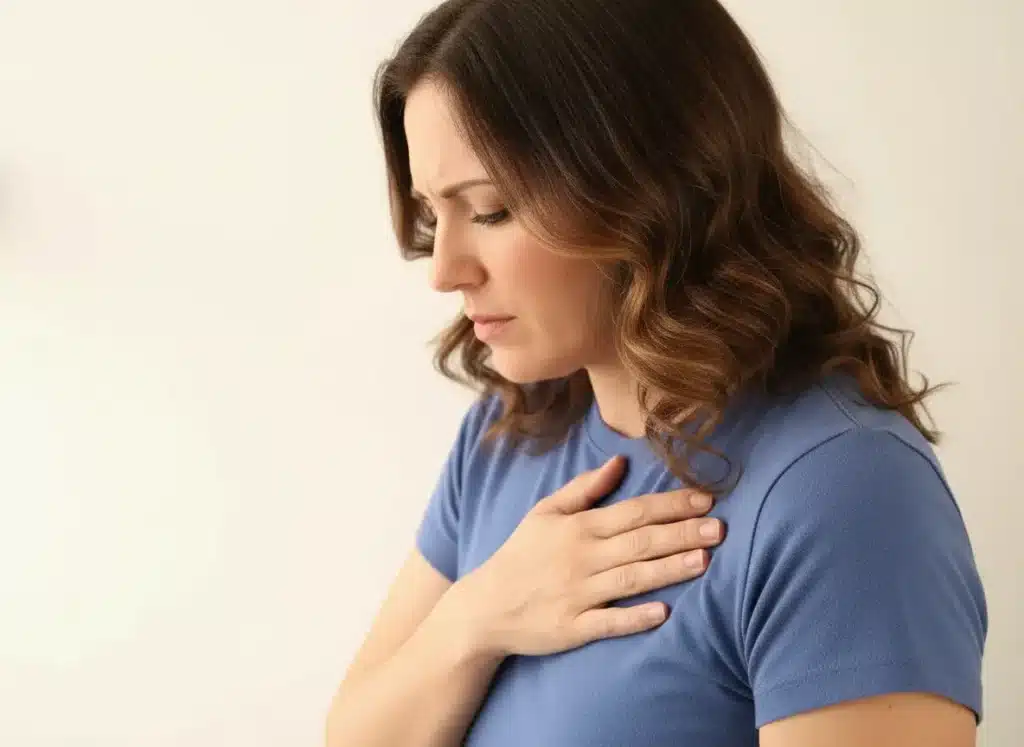
A woman with her hand to her chest struggling with low oxygen.

Inhalant Addiction and Abuse

Huffing inhalants produces a rapid but short-lived high, often lasting just a few minutes.[6] A surge of dopamine causes this brief burst of euphoria, the brain’s feel-good chemical. Because the effects wear off so quickly, people often use inhalants repeatedly in a short period, which increases the risk of dependence. 

Over time, the brain starts to crave that quick dopamine spike, reinforcing a dangerous cycle of repeated use that can lead to both psychological and physical addiction.

Teens and young adults are the most at risk for inhalant addiction, mainly because the products are inexpensive, easy to access, and commonly found at home or school. Curiosity, peer pressure, and the misconception that inhalants are safer than other drugs all contribute to their misuse. 

Young people dealing with emotional distress, trauma, or a lack of supervision are even more vulnerable. Since inhalant abuse often starts early, recognizing and addressing the signs as soon as possible is key to preventing long-term harm.

Signs and Symptoms of Inhalant Abuse

Physical Signs of a Substance Use Disorder

Inhalant abuse often leaves behind noticeable physical clues. [7] Chemical odors on someone’s breath or clothing, paint or marker stains on the hands and face, and frequent nosebleeds can all be signs of huffing. Individuals may also appear dizzy or uncoordinated, with slurred speech and frequent headaches. 

Over time, use can lead to muscle weakness, poor reflexes, and even damage to the lungs, liver, or brain.

Behavioral & Emotional Signs of Inhalant Drug Addiction

Shifts in mood or behavior in a loved one are often some of the earliest and most concerning signs. [8] Someone misusing inhalants may become secretive, isolate from friends and family, or show a sudden drop in school or work performance. 

Emotional symptoms can include anxiety, irritability, mood swings, and signs of depression. In more advanced cases, users may experience memory issues, confusion, or a noticeable decline in motivation and interest in activities they once enjoyed. 

Amanda Stevens, B.S.

Amanda Stevens, B.S.

Medical Content Writer

Amanda Stevens is a highly respected figure in the field of medical content writing, with a specific focus on eating disorders and addiction treatment. Amanda earned a Bachelor of Science degree in Social Work from Purdue University, graduating Magna Cum Laude, which serves as a strong educational foundation for her contributions.

We Accept With Most Major Insurance

If you or a loved one is ready to get help but finances are holding you back, give us a call. We can work with your health insurance provider.

Inhalant Rehab Programs in Maryland

Inpatient Treatment

For those facing serious or long-standing inhalant addiction, inpatient rehab offers a safe and structured space to begin healing. Patients stay onsite and receive 24/7 medical attention, consistent therapeutic support, and a daily routine focused on recovery. 

This intensive level of care helps manage withdrawal, stabilize health, and create space to work through the deeper emotional roots of addiction, away from everyday stressors and distractions.

PHP & IOP Programs

Partial Hospitalization (PHP) and Intensive Outpatient (IOP) programs provide daytime treatment that includes group therapy, individual counseling, and life skills training. 

Clients return home each evening, allowing them to maintain some normal routines while continuing to engage in meaningful recovery work. 

These options offer therapeutic structure without requiring a full residential stay. It can be ideal for those transitioning from inpatient rehab or needing flexibility.

Outpatient Programs & Aftercare Treatment Services

After completing the primary phase of treatment, clients transition into outpatient care to continue making progress. 

Weekly therapy sessions—whether these are individual or group-based—help reinforce healthy habits, prevent relapse, and provide ongoing emotional support. 

Peer support meetings provide a sense of connection, while alumni groups and regular follow-ups at The Freedom Center help clients stay grounded and accountable as they progress in their recovery.

Treatment Approaches for Huffing Addiction

Behavioral Therapies for Substance Abuse

Therapy works by helping individuals understand the patterns behind their actions. [9] Cognitive Behavioral Therapy (CBT) teaches individuals how to recognize and replace harmful thought patterns with healthier, more effective responses. Dialectical Behavior Therapy (DBT) provides tools for emotional regulation and stress management, which are critical during recovery. 

Motivational interviewing creates space for individuals to explore their reasons for change, building internal motivation and confidence. These evidence-based approaches support long-term healing by addressing both behavior and the emotions beneath it.

Group & Family Support in a Treatment Program

Peer group therapy provides a supportive community of understanding and encouragement, helping to reduce feelings of isolation. 

Family involvement is also vital—family therapy sessions rebuild trust, improve communication, and foster accountability. Supportive family environments often lead to stronger, longer-lasting recovery outcomes.

Holistic and Trauma-Informed Care for Addiction Recovery

Recovery may extend beyond simply stopping the use of inhalants. Holistic approaches like mindfulness, art therapy, and EMDR (Eye Movement Desensitization and Reprocessing) are designed to process trauma, improve emotional awareness, and promote overall wellness. 

These modalities support the healing of both mind and body, helping clients build resilience and flexibility in the face of challenges.

Dual Diagnosis and Co-Occurring Issues

Common Co-Occurring Conditions

It’s not uncommon for people, especially teens, to use inhalants while also dealing with anxiety, depression, PTSD, or ADHD. Sometimes the substance use begins as a way to cope with overwhelming emotions, racing thoughts, or social pressure. [10]

Without addressing these issues, the cycle of addiction is hard to break.

The Importance of Integrated Treatment

Treating only the addiction—or only the mental health issue—rarely works. That’s why dual diagnosis care is essential. At The Freedom Center, clients receive support for both their substance use and any co-occurring mental health conditions. 

This integrated approach ensures the whole picture is treated, not just the symptoms, and it dramatically improves long-term recovery outcomes. For those struggling with inhalant addiction in Maryland, this kind of whole-person care can be life-changing.


What to Expect at a Maryland Inhalant Rehab Center

Intake & Evaluation

Every person begins with a thorough intake and assessment process. This includes an in-depth review of physical health, substance use history, mental health concerns, and personal goals. The result is a fully personalized treatment plan that meets the client or patient where they are, tailored to their specific needs.

Detox & Stabilization

While inhalant detox typically doesn’t require hospitalization, some individuals experience emotional or physical withdrawal symptoms such as agitation, tremors, or mood swings. During this phase, medical and emotional support can be provided at the recovery center to help stabilize the individual and prepare for active treatment.

Active Substance Abuse Treatment Phase

This is where the real work happens. During the active treatment phase, clients dive into daily therapy that helps them unpack what’s underneath their substance use, whether that’s trauma, stress, or emotional pain. One-on-one sessions offer space for personal reflection, while group therapy builds connection and shared understanding.

Healing isn’t just about talking—it’s about learning how to live differently. Clients practice real-life coping skills, build emotional awareness, and develop strategies to manage stress without resorting to inhalants. It’s about rebuilding from the inside out, one step at a time.

Aftercare Planning

Before treatment concludes, a personalized aftercare plan is developed to support a smooth transition back to everyday life. 

This may include outpatient therapy, community-based peer support groups, sober living arrangements, or continued participation in alumni programs.

Intake & Evaluation

Every person begins with a thorough intake and assessment process. This includes an in-depth review of physical health, substance use history, mental health concerns, and personal goals. The result is a fully personalized treatment plan that meets the client or patient where they are, tailored to their specific needs.

Detox & Stabilization

While inhalant detox typically doesn’t require hospitalization, some individuals experience emotional or physical withdrawal symptoms such as agitation, tremors, or mood swings. During this phase, medical and emotional support can be provided at the recovery center to help stabilize the individual and prepare for active treatment.

Active Substance Abuse Treatment Phase

This is where the real work happens. During the active treatment phase, clients dive into daily therapy that helps them unpack what’s underneath their substance use, whether that’s trauma, stress, or emotional pain. One-on-one sessions offer space for personal reflection, while group therapy builds connection and shared understanding.

Healing isn’t just about talking—it’s about learning how to live differently. Clients practice real-life coping skills, build emotional awareness, and develop strategies to manage stress without resorting to inhalants. It’s about rebuilding from the inside out, one step at a time.

Aftercare Planning

Before treatment concludes, a personalized aftercare plan is developed to support a smooth transition back to everyday life. 

This may include outpatient therapy, community-based peer support groups, sober living arrangements, or continued participation in alumni programs.

Recovery Is Possible

Inhalant addiction may not get as much attention as other substance use issues, but it can be just as dangerous, especially for teens and young adults. 

The damage to the brain, heart, and other organs can happen fast, and over time, it takes a real toll on mental and emotional health. However, with timely and professional care, healing is absolutely within reach.

If someone is caught in the cycle of huffing or inhalant abuse, it’s never too early—or too late—to ask for help. Recovery doesn’t happen overnight, but it does happen with the right treatment and a team that truly understands what someone is going through.

The Freedom Center offers comprehensive inhalant rehabilitation in Maryland, combining medical support, therapy, and ongoing guidance to meet the individual needs of each patient. Whether someone needs full-time residential care or outpatient support, they’re ready to walk with each person, step by step, toward lasting recovery.

Blue and white abstract swoosh logo inside a circle.

Editorial Guidelines at The Freedom Center

All content produced by The Freedom Center undergoes a detailed evaluation process to ensure accuracy and quality. We only work with medical professionals and individuals with extensive experience in the field, and all content produced undergoes a review process to ensure accuracy. Our goal is to be a reliable resource the recovery community can turn to for information they can trust.

Amanda Stevens, B.S.

Amanda Stevens, B.S.

Medical Content Writer

Amanda Stevens is a highly respected figure in the field of medical content writing, with a specific focus on eating disorders and addiction treatment. Amanda earned a Bachelor of Science degree in Social Work from Purdue University, graduating Magna Cum Laude, which serves as a strong educational foundation for her contributions.

We Accept With Most Major Insurance

If you or a loved one is ready to get help but finances are holding you back, give us a call. We can work with your health insurance provider.

Frequently Asked Questions About Inhalant Rehab in Maryland

Common signs include chemical odors on breath or clothing, paint or stains around the mouth or nose, frequent nosebleeds, dizziness, mood swings, memory problems, and a decline in school or work performance.[11]

[1][3] Inhalants. (2024, September 18). National Institute on Drug Abuse. https://nida.nih.gov/research-topics/inhalants

[2] Inhalants and young people – Alcohol and Drug Foundation. (n.d.). https://adf.org.au/insights/inhalants-young-people/#

[4][5][6][7][8][11] Substance use – inhalants: MedlinePlus Medical Encyclopedia. (n.d.). https://medlineplus.gov/ency/patientinstructions/000794.htm

[9][12] Yue, H., & Pena, E. (2022, November 11). Addiction psychotherapeutic care. StatPearls – NCBI Bookshelf. https://www.ncbi.nlm.nih.gov/books/NBK587365/

[10] Co-Occurring disorders and health conditions. (2024b, September 30). National Institute on Drug Abuse. https://nida.nih.gov/research-topics/co-occurring-disorders-health-conditions

Skip to content