Treatment for Cocaine Addiction in Maryland: The Path to Recovery Starts Here
Cocaine addiction is a serious and often fast-progressing condition that affects individuals and families across Maryland. Known for its short-lived highs and long-term consequences, cocaine can quickly take over a person’s mental, emotional, and physical well-being.
As overdose rates and stimulant misuse rise, the need for substance abuse treatment services is more urgent than ever. [1]
Evidence-based care for cocaine addiction is available, with treatment plans that address both substance use and co-occurring mental health conditions through a comprehensive dual-diagnosis approach. Whether inpatient rehab or flexible outpatient care is needed, these Maryland-based programs are built to promote long-term healing and lasting recovery.

Jump to Section
Key Points
- Cocaine addiction can lead to health consequences, including heart issues, mood disorders, and cognitive decline, making early intervention critical.
- The Freedom Center provides comprehensive cocaine rehab in Maryland through both residential care in Buckeystown and outpatient programs in Gaithersburg.
- Treatment includes coordinated referrals, trauma-informed therapy, group therapy, mental health support for co-occurring disorders, and holistic options like mindfulness and family therapy.
- Lasting recovery from stimulant drug addiction is possible with personalized treatment plans, experienced clinicians, and a supportive community that walks with each person every step of the way.
What Is Cocaine?
Cocaine is a fast-acting stimulant drug that changes the way the brain works. It boosts levels of a chemical called dopamine, which creates a short-lived feeling of energy and euphoria.[2]
Once the high fades, it can leave people feeling anxious, tired, or craving more. Over time, repeated use of cocaine can make it harder for the brain to feel good naturally.
There are two main types of cocaine, each is used differently and produces a slightly different high: powder and crack cocaine.
Powdered cocaine is usually snorted through the nose or dissolved and injected. Crack cocaine comes in small, rock-like pieces and is typically smoked. Both forms work quickly and can be very addictive, even after just a few uses.[3]
Cocaine is a Schedule II drug in the United States. This means it has a high risk for abuse and addiction, but it also has limited medical use in specific cases, like certain types of eye surgeries. However, most cocaine use happens illegally and comes with serious health and legal risks.

Cocaine Abuse and Addiction
Cocaine produces a fast, intense high that fades quickly, prompting users to take more just to feel the same effect. This constant chase builds tolerance and often leads to addiction before a person realizes it. [4]
The drug impacts both mind and body, causing anxiety, paranoia, and mood swings, while also placing serious stress on the heart and brain. Long-term use can result in memory problems, emotional numbness, poor decision-making, and increased risk of heart attack or stroke.
While anyone can develop a cocaine addiction, the risk is higher for those with mental health conditions, a family history of addiction, trauma, or early drug exposure. Mixing cocaine with other substances can make the problem even more severe.
Short-Term Effects of Cocaine
Right after using cocaine, people often feel an intense rush of euphoria. They may also experience increased energy, talkativeness, and a fast heart rate.
However, these effects don’t last long—paranoia, restlessness, or irritability can quickly follow.
The National Institute on Drug Abuse (NIDA) reports that even a single use of cocaine can trigger dangerous spikes in heart rate and blood pressure, raising the risk of severe complications such as a heart attack or stroke.[5]
Long-Term Effects
The longer someone uses cocaine, the more damage it does. Ongoing use can lead to depression, anxiety, and long-term emotional instability.
Many people experience memory issues and trouble focusing, which are signs of lasting changes to the brain’s reward system.
Physically, chronic cocaine use can cause heart disease, stroke, and problems with movement or coordination. [6] Studies also show a strong link between long-term use and increased risk of seizures and neurological decline.
Signs Someone May Need Help From Cocaine Rehab Centers
If cocaine use starts taking over a person’s life, it’s a red flag.
Behavioral Red Flags:
Common behavioral signs include lying about use, skipping responsibilities, or facing legal and financial trouble. People may also isolate themselves from loved ones, lose interest in things they once cared about, or take big risks while under the influence.
Physical and Emotional Symptoms:
Cocaine use affects the body and emotions. Some people lose a lot of weight or experience sleep problems like insomnia. [7] Others feel constantly on edge, irritable, or emotionally flat. These signs can grow worse over time, especially with binge use or mixing with other substances.
When to Seek Help from Addiction Treatment Programs
A person doesn’t have to hit rock bottom to ask for help. If they’ve tried to quit and can’t, feel strong cravings, or go through withdrawal symptoms like fatigue or depression when not using, it’s time to consider treatment. Cocaine rehab offers tools and support to help someone regain control and build a healthier future.
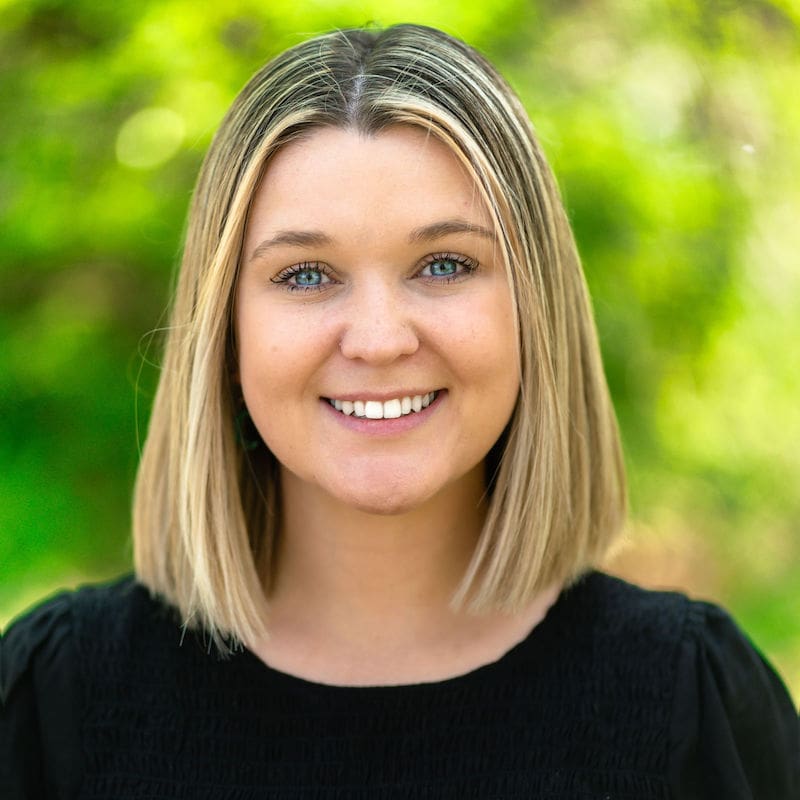
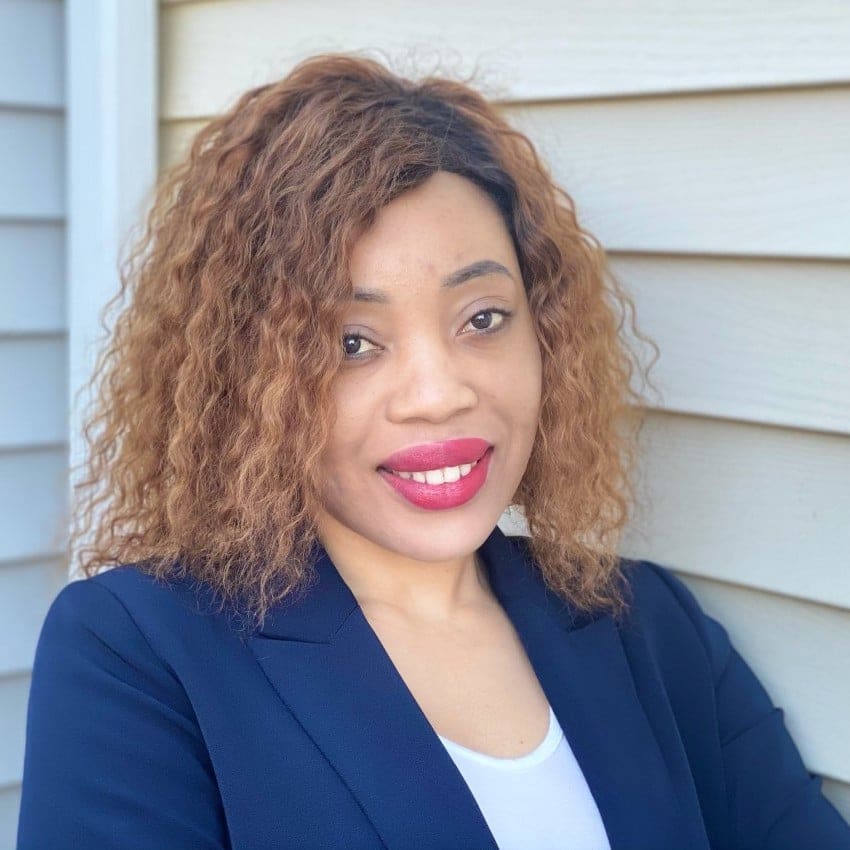
Amanda Stevens, B.S.
Medical Content Writer
Amanda Stevens is a highly respected figure in the field of medical content writing, with a specific focus on eating disorders and addiction treatment. Amanda earned a Bachelor of Science degree in Social Work from Purdue University, graduating Magna Cum Laude, which serves as a strong educational foundation for her contributions.
If you or a loved one is ready to get help but finances are holding you back, give us a call. We can work with your health insurance provider.






Cocaine Addiction Treatment at The Freedom Center
Cocaine Detox Coordination
The first step in recovery from a substance use disorder is often detoxification or detox.
Detox services aren’t offered on-site, but The Freedom Center works closely with trusted medical partners to ensure a safe and seamless transition into treatment. This coordinated approach helps ease withdrawal symptoms and sets the stage for a more stable start to recovery.
Residential Cocaine Treatment in Buckeystown, MD
For those who need round-the-clock support, the 16-bed residential program in Buckeystown offers a structured healing environment.
Clients receive evidence-based treatment and trauma-informed care, daily therapy sessions, and the benefit of peer support in a safe and private setting. Most stays last between 21 and 30 days, providing the time and space to begin deep recovery work.
Outpatient Programs in Gaithersburg, MD
If someone needs more flexibility for their behavioral health treatment, the outpatient center in Gaithersburg offers Partial Hospitalization (PHP), Intensive Outpatient (IOP), and standard outpatient services (OP). These programs help a person balance their daily responsibilities with ongoing therapy, group counseling sessions, and relapse prevention planning. They’re ideal for step-down care or less severe cases.
Treating the Whole Person: Mental Health and Cocaine Addiction Support
At The Freedom Center, the team knows cocaine addiction is often just one piece of the puzzle. Many people who seek treatment are also dealing with anxiety, depression, PTSD, or other emotional wounds that haven’t fully healed. [8] That’s why the approach to cocaine addiction treatment in Maryland is about more than just getting clean—it’s about helping someone feel whole again.
The Freedom Center specializes in dual diagnosis care, which means they treat both addiction and the underlying mental health issues that often drive it. [9] Whether it’s unresolved trauma, chronic stress, or a mood disorder, the clinical team creates an individualized plan designed to support healing on every level. This dual-diagnosis focus is what makes this cocaine rehab center approach so effective for long-term healing.[10]
Cocaine rehab programs incorporate evidence-based therapies such as Cognitive Behavioral Therapy (CBT), Dialectical Behavior Therapy (DBT), group therapy, and trauma-informed counseling to support comprehensive recovery. They also offer supportive tools, including mindfulness, family therapy, and medication-assisted treatment (MAT), when appropriate.
Why The Freedom Center Is a Trusted Cocaine Treatment Center in Maryland
Choosing the right treatment for cocaine addiction in Maryland isn’t just about quitting the drug—it’s about building a life that feels stable, fulfilling, and worth protecting.
At The Freedom Center, trained professionals understand that lasting recovery takes more than willpower. That’s why treatment blends compassionate care, flexible cocaine treatment options, and mental health services that meet a person where they are.
With facilities in Buckeystown and Gaithersburg, this Maryland rehab for cocaine offers a peaceful, community-focused setting that encourages deep healing throughout various levels of care.
Those in need of support can access a confidential consultation to explore treatment options. Recovery can begin with a single step toward help.

Editorial Guidelines at The Freedom Center
All content produced by The Freedom Center undergoes a detailed evaluation process to ensure accuracy and quality. We only work with medical professionals and individuals with extensive experience in the field, and all content produced undergoes a review process to ensure accuracy. Our goal is to be a reliable resource the recovery community can turn to for information they can trust.
Amanda Stevens, B.S.
Medical Content Writer
Amanda Stevens is a highly respected figure in the field of medical content writing, with a specific focus on eating disorders and addiction treatment. Amanda earned a Bachelor of Science degree in Social Work from Purdue University, graduating Magna Cum Laude, which serves as a strong educational foundation for her contributions.
Related Treatments
If you or a loved one is ready to get help but finances are holding you back, give us a call. We can work with your health insurance provider.
Frequently Asked Questions About Cocaine Addiction
Powder cocaine is a hydrochloride salt that’s usually snorted or dissolved and injected.
Crack cocaine is a crystalized form that’s smoked. Crack produces a faster, more intense high, but also wears off quickly, leading to more frequent use. [11]
Both forms are highly addictive, but crack is often associated with a quicker path to dependence due to how rapidly it enters the bloodstream and affects the brain.
Yes, most private insurance plans, including those from major providers, cover some or all of the cost of cocaine addiction treatment. This can include detox coordination, residential care, outpatient services, and therapy.
At The Freedom Center, the admissions team offers free insurance verification, walking individuals through exactly what their plan covers to avoid any surprises.
Treatment duration depends on individual needs and circumstances. A typical residential stay lasts about 21 to 30 days. Outpatient programs, such as PHP (Partial Hospitalization Program) or IOP (Intensive Outpatient Program), can last from several weeks to a few months.
Long-term recovery support and aftercare are also available to help clients maintain progress after completing formal treatment.
Not always. Cocaine withdrawal typically doesn’t cause dangerous physical symptoms like alcohol or opioid withdrawal can, but it can still come with intense psychological effects such as depression, anxiety, and cravings.
The Freedom Center offers detox coordination with trusted medical partners to ensure that individuals are safely stabilized before beginning treatment.
Yes, it’s entirely possible to continue working or managing family responsibilities while participating in outpatient treatment. The Intensive Outpatient (IOP) and Outpatient (OP) programs in Gaithersburg, MD, offer flexible scheduling options—including both morning and evening sessions—to support ongoing recovery without disrupting daily life.
Privacy is a top priority at The Freedom Center, where all communication is handled with complete confidentiality. Whether reaching out to ask questions, verify insurance, or begin treatment, all information is protected under federal laws such as the Health Insurance Portability and Accountability Act (HIPAA) and 42 CFR Part 2.
Therapy isn’t just about talking—it’s about getting to the root of what’s driving cocaine use. Approaches like CBT and DBT are backed by research and have helped countless people break free from addiction.
These therapies can help someone work through things like stress, trauma, or anxiety, so they’re not just quitting cocaine—they’re building a better way to cope and move forward.
Finishing rehab doesn’t mean the journey ends.
At The Freedom Center, the team will help each person develop a personalized recovery plan that lasts. That might include alumni support, sober living connections, and continued therapy.
The goal is that everyone leaves with a roadmap—and a support system—to stay sober and thrive in real life after their time at The Freedom Center.
Sources
[1][4][8] Schwartz, E. K. C., Wolkowicz, N. R., De Aquino, J. P., MacLean, R. R., & Sofuoglu, M. (2022). Cocaine Use Disorder (CUD): current clinical perspectives. Substance Abuse and Rehabilitation, Volume 13, 25–46. https://pmc.ncbi.nlm.nih.gov/articles/PMC9451050/
[2][3] Mind matters: The body’s response to cocaine | National Institute on Drug Abuse. (2025, April 23). National Institute on Drug Abuse. https://nida.nih.gov/research-topics/parents-educators/mind-matter-series/cocaine
[5][6][7][11] Cocaine. (2024, September 27). National Institute on Drug Abuse. https://nida.nih.gov/research-topics/cocaine
[9][10] Co-Occurring disorders and health conditions. (2024b, September 30). National Institute on Drug Abuse. https://nida.nih.gov/research-topics/co-occurring-disorders-health-conditions