









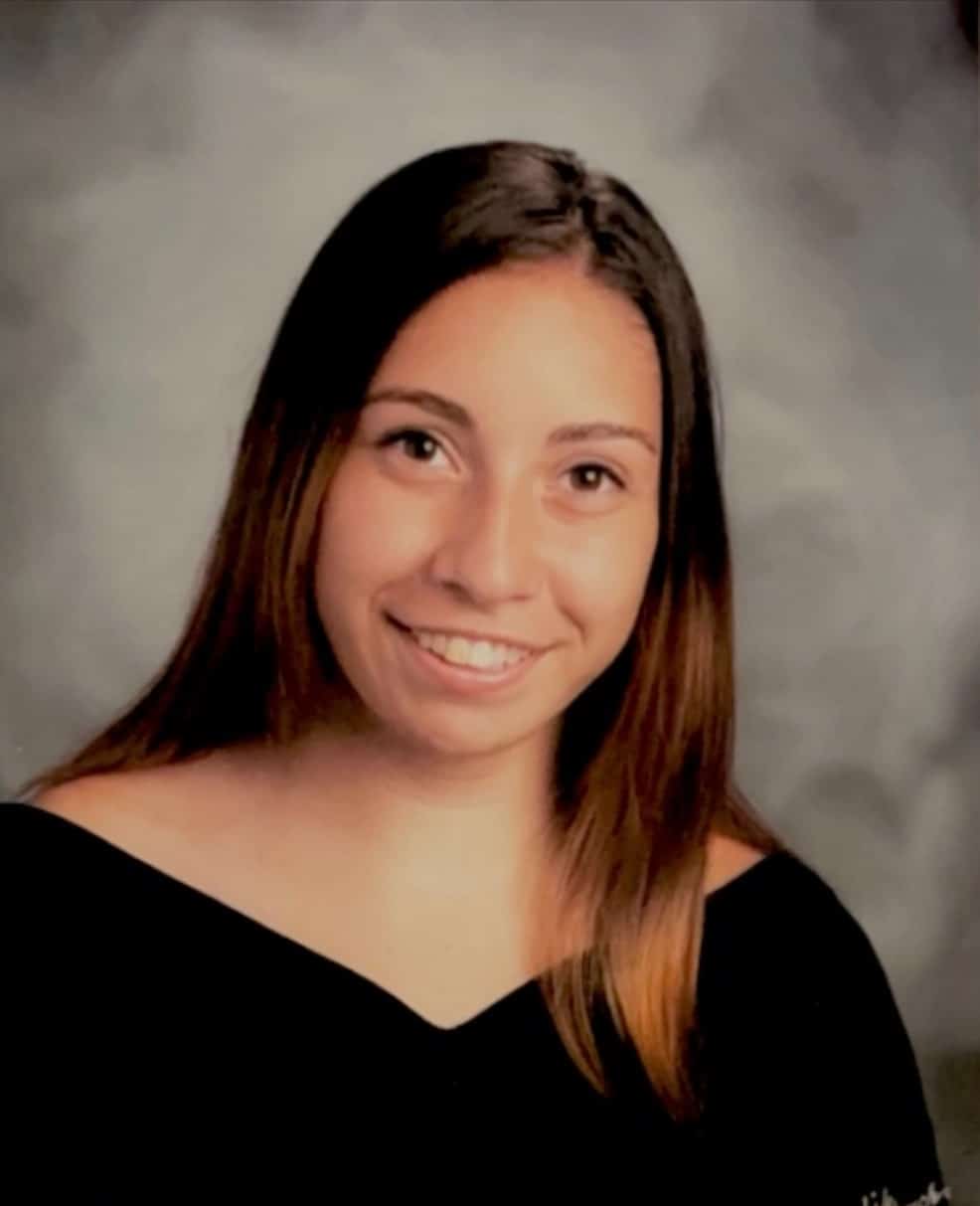
Angela is a PhD-trained biomedical scientist and science communicator with 6+ years of experience analyzing, synthesizing, and communicating complex scientific and medical information. Angela is skilled in developing clear, accurate, and engaging content for diverse audiences including scientists, healthcare professionals, and the public. She is a published author with experience writing peer-reviewed articles, literature reviews, SOPs, and educational materials. Furthermore, Angela is certified in science communication through the Alan Alda Center at Stony Brook University, with a proven ability to adapt technical data into accessible deliverables.
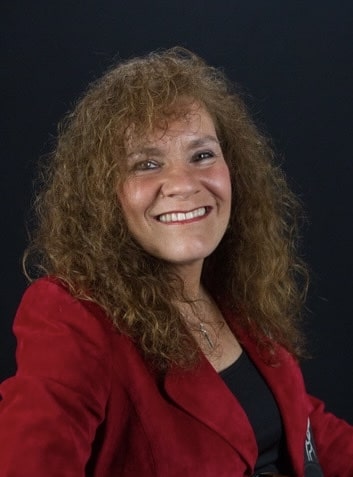
Sandy is an alcohol and drug counselor (ADT) with over three years of professional experience supporting individuals on their recovery journeys. Drawing from both clinical training and her own lived experience with substance use and mental health challenges, Sandy brings a deep level of empathy, authenticity, and insight to her work. She specializes in helping clients build practical coping strategies, develop self-awareness, and restore meaningful connections in their lives. Sandy is passionate about creating a nonjudgmental, supportive space where individuals feel empowered to grow at their own pace. Sandy is committed to continued professional development and community advocacy, and she approaches each client with compassion, respect, and a strong belief in their capacity to heal.
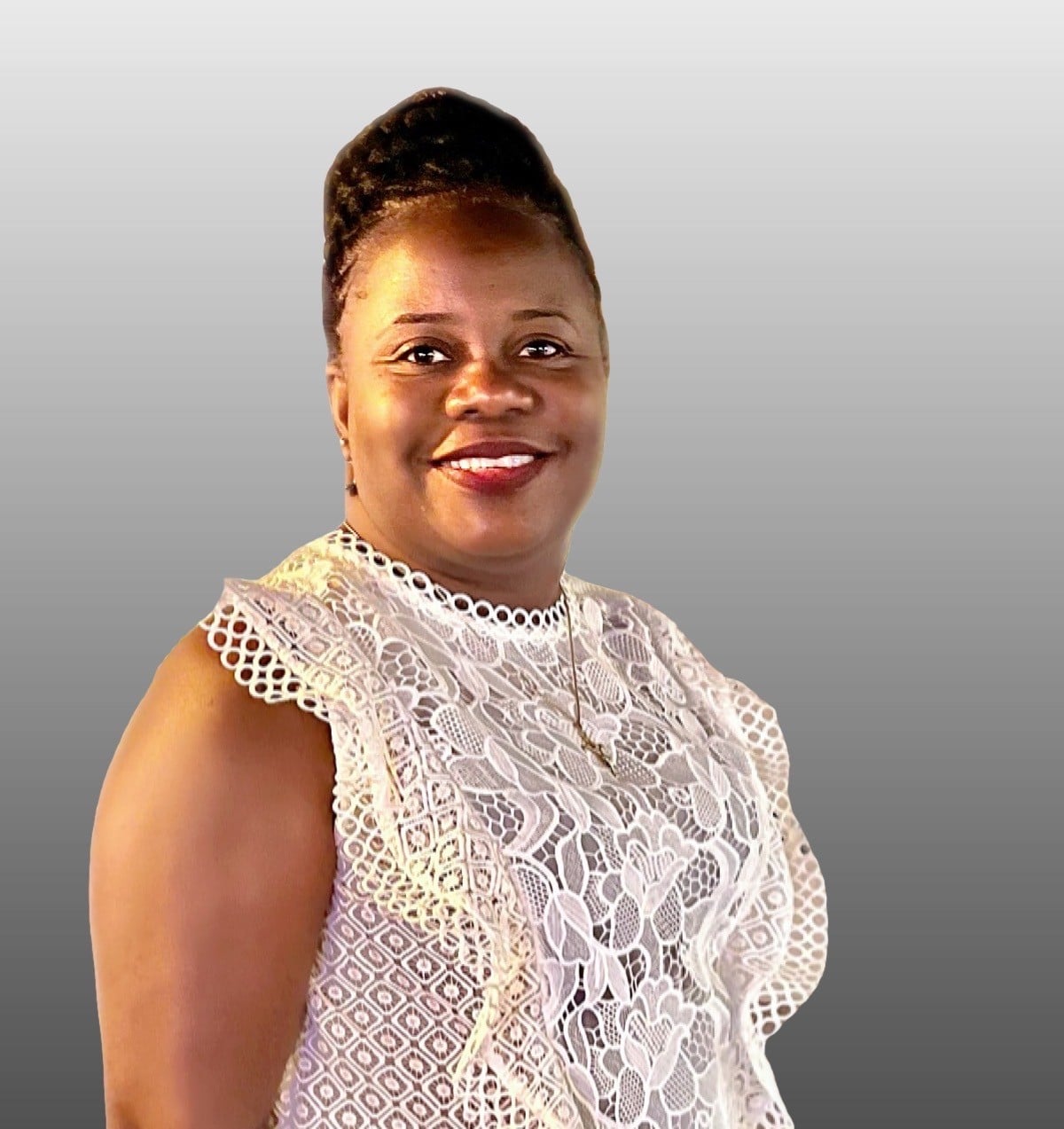
Angelique is certified in addictions counseling by the Maryland Board of Professional Counselors and Therapists, a Licensed Alcohol and Drug Counselor in the State of Minnesota, and a CAC II in Washington, D.C. She holds a Master’s degree in Health and Human Services Administration, a Master’s degree in Counseling and Psychology, and a Graduate Certificate in Addiction Studies from Saint Mary’s University of Minnesota.
Before relocating to Maryland, Angelique gained extensive experience working in a residential treatment setting, a Medication-Assisted Treatment (MAT) program, and the Hennepin County Adult Correctional Facility. Prior to becoming licensed in 2015, she served as a Certified Prevention Professional with a nonprofit organization she founded to support immigrant families through prevention services.
Outside of her professional work, Angelique is an active member of her church, where she serves on the Vestry and works closely with the youth group. She resides in Montgomery County with her daughter and son and enjoys traveling, exercising, and gardening.
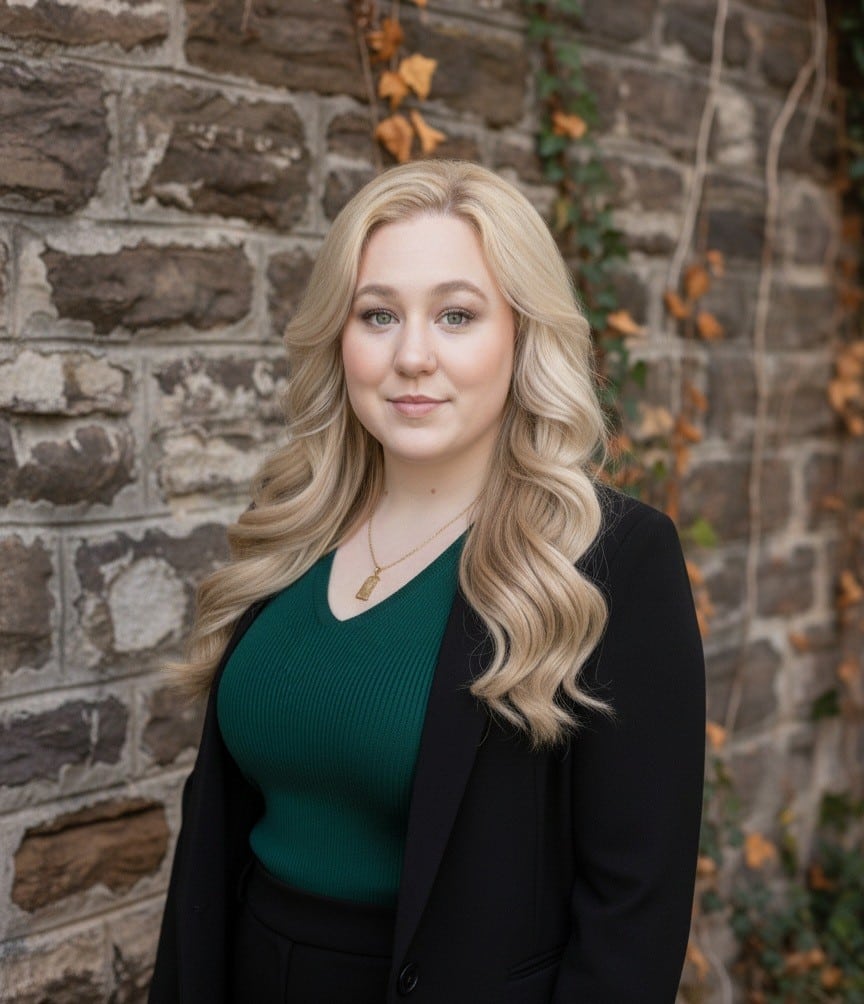
Ayla Mendez, CAC-AD, serves as a Primary Therapist, offering compassionate, person-centered care to individuals addressing substance use and co-occurring disorders. With more than five years of specialized experience in addictions counseling and over a decade in the broader mental health field, Ayla combines professional expertise with deep empathy to support each client’s recovery journey.
A graduate of Salisbury University with dual Bachelor’s degrees in Psychology and History, Ayla is currently pursuing her Master’s of Social Work at The University of Maryland. She has built her career through extensive experience in crisis centers and community mental health, work that has deepened her dedication to supporting individuals during their most vulnerable moments. Inspired by her own personal mental health journey, Ayla strives to create a safe, supportive, and empowering environment for her clients.
Known for her creativity, patience, and empathetic approach, Ayla specializes in person-centered methods, tailoring treatment to meet each individual’s unique needs and strengths. Beyond her professional life, she is the proud mother of two young sons, enjoys exploring local food scenes, traveling, antiquing, and diving into true crime stories.
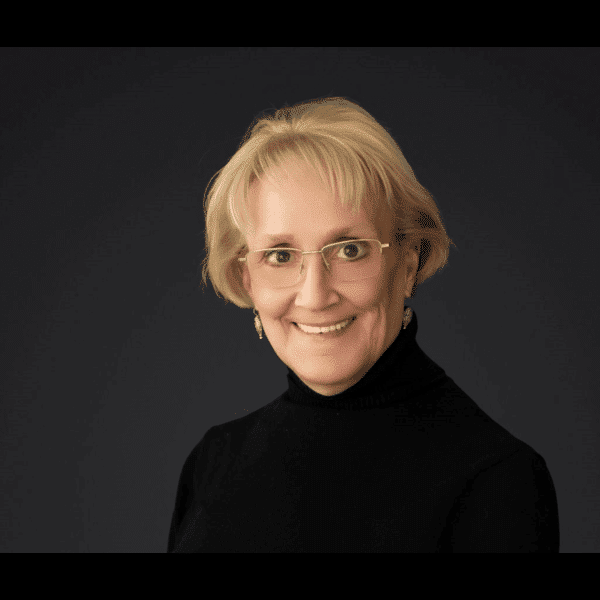
Faith A. Coleman MD is a family medicine physician, which means she is trained and experienced in caring for patients of all ages and conditions, including their physical, mental, emotional, social, and spiritual wellbeing. Dr. Coleman is also a medical journalist, author, editor and reviewer. She is committed to serving her readers, whether the lay public or health professionals, with information that is current, relevant, reliable, precise and actionable.
After earning her BA in journalism at the University of New Mexico she joined the editorial staff at the Medical Economics, Inc. publishing company. She remained on their staff as a contributing editor to the journal Contemporary Obstetrics and Gynecology during medical school at the UNM School of Medicine. Dr. Coleman’s education included coursework at the Harvard Medical School as well as research in pain management at the National Institutes of Health. Other projects included research and activism regarding the care of the dying.
When Dr. Coleman completed her training at one of the nation’s top 100 hospitals she joined the faculty of a family practice residency program. She trained newly graduated doctors in the art and science of family medicine, with emphasis on OB/Gyn and substance abuse. Dr. Coleman has also practiced in a family medicine office. Later she served as Director of Health Promotions for a Northeast Texas public health district.
As her family grew, Dr. Coleman returned to her roots in journalism. As an independent writer, editor, and reviewer she has authored hundreds of articles on medical topics from A through Z, bridging the gap between “medicalese” and plain language for the lay public. She also authors curricula and continuing medical education materials for health professionals from nursing assistants through board-certified physicians, including substance abuse counselors-in-training.
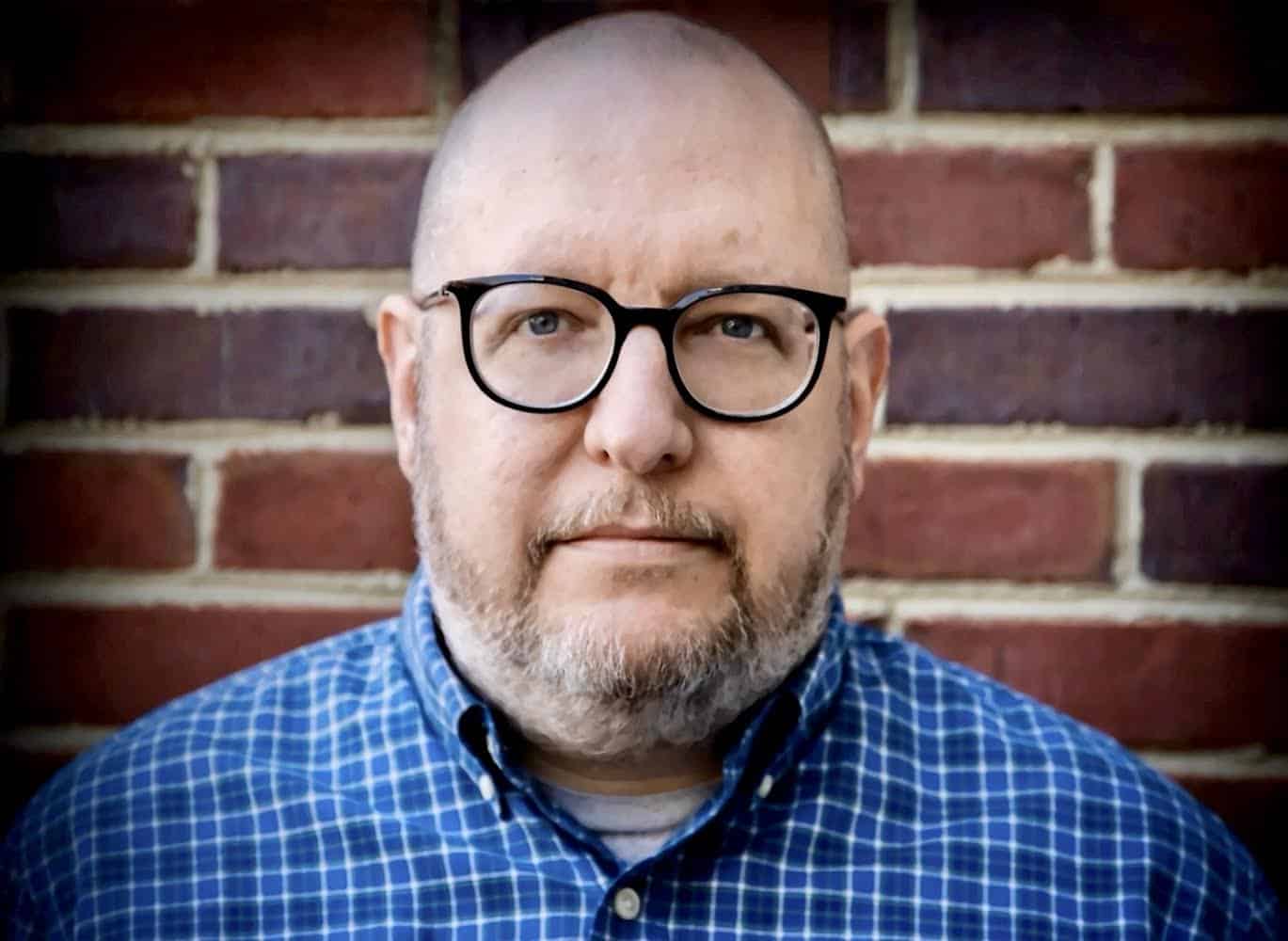
Andy is a certified substance abuse counselor based in Montgomery County, MD and has over 15 years of experience in the field of addictions. He graduated from the University of Maryland Global Campus with a bachelor’s in psychology and currently holds a CAC-AD.
His experience includes working in inpatient, outpatient, partial hospitalization, and long-term residential treatment settings. Andy is passionate about assisting others on their path to recovery and uses a person-centered counseling approach.
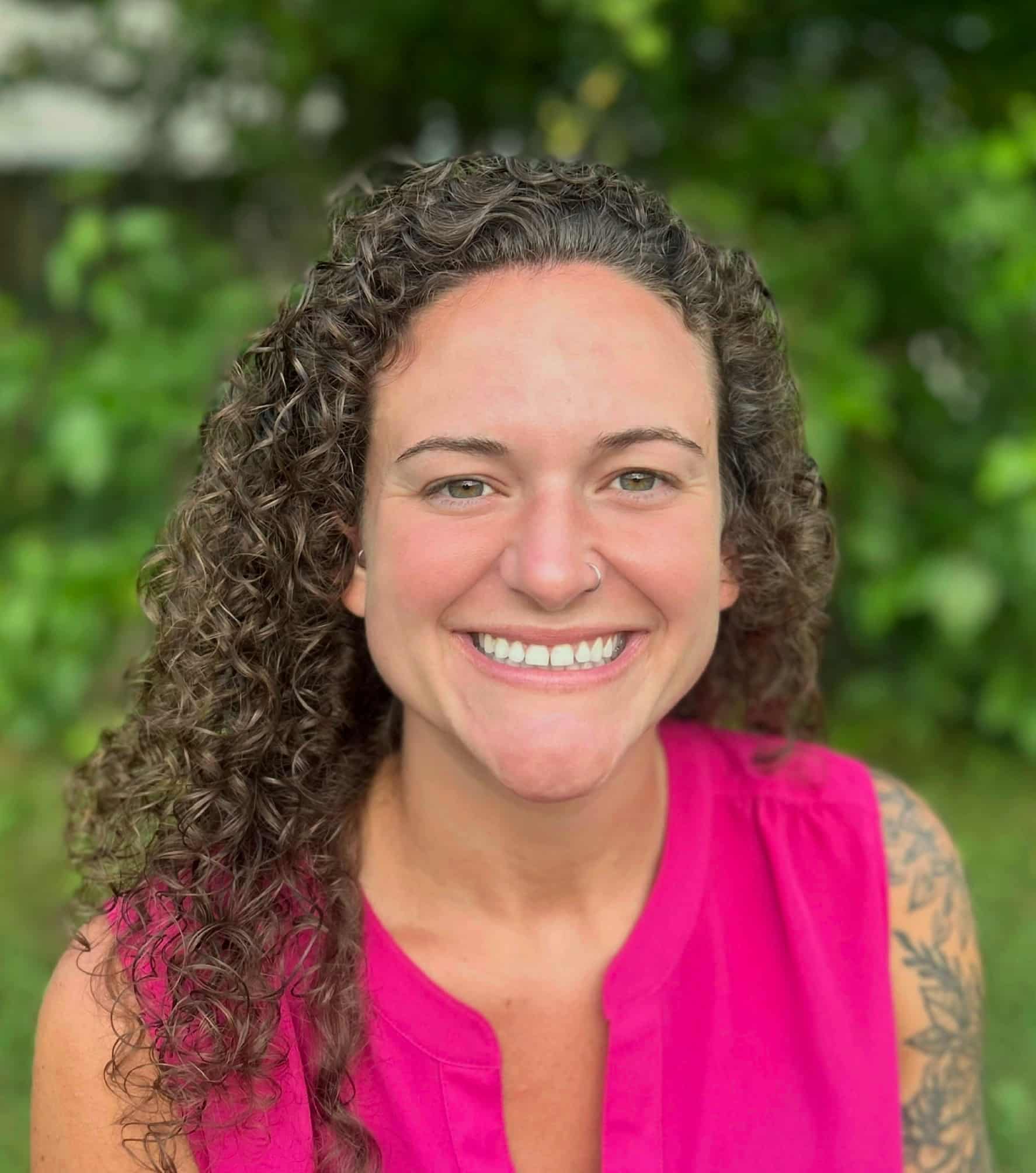
Mandy is a Licensed Clinical Professional Counselor in the State of Maryland. She earned her Master’s Degree in Art Therapy with a specialization in counseling from Seton Hill University and received her Bachelor’s degree in Fine Arts with a minor in psychology from Frostburg State University. Mandy is a Primary Therapist who provides services to clients with dual-diagnosis disorders and is skilled in providing motivational interviewing, cognitive behavioral therapy, and person-centered treatment. She has 8 years of experience in treating co-occurring disorders as a therapist and helping clients find their true potential. Her work is rooted in the belief that healing is a creative and deeply personal journey. She meets clients with the commitment to walk alongside them with respect, authenticity, and hope.
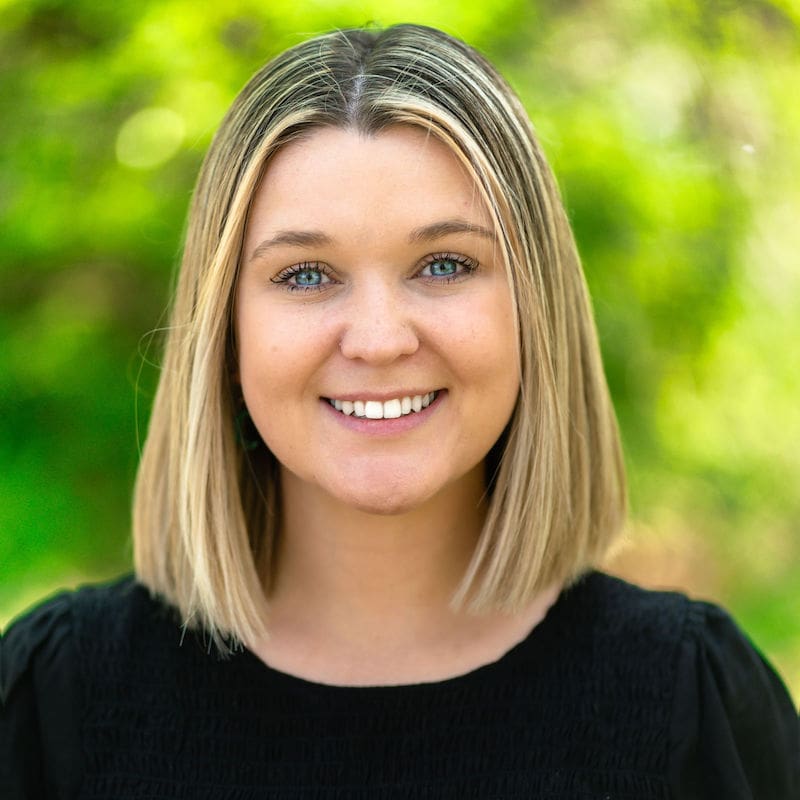
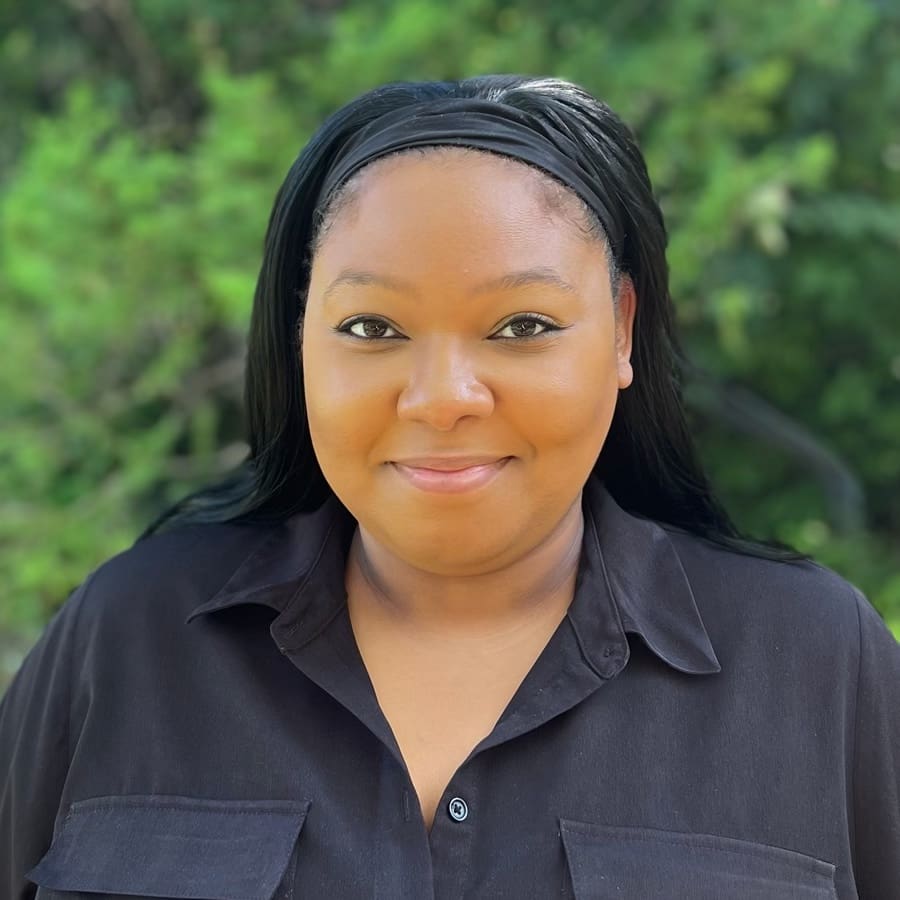
My name is Janae Seegers and I’m a licensed master’s social worker. I have over three years of experience helping individuals and families navigate life’s challenges of mental health and substance use. I graduated from Towson University with my Bachelor’s Degree in Family and Human Services, with a track in Child life. I then pursued my Masters in Clinical Social Work at the University of Maryland, Baltimore, School of Social Work. While pursuing my masters, I also received my BCAT certification which allows me to work with clients with Autism. I have experience working with all age groups and backgrounds and have worked in hospitals, inpatient, outpatient, and partial hospitalization programs providing clinical social work services. My approach to therapy is grounded in empathy and compassion. I utilize a person-centered approach to my clients to help empower change within themselves.
Kathleen Dorman is an Alcohol and Drug Trainee Counselor (ADT), with over four years of experience. Kathleen excels in helping individuals, couples, and families navigate life’s challenges, which includes mental health issues, addiction, trauma, and grief. Kathleen graduated from Hagerstown Community College with an associate degree in human services. Kathleen has experience working at different levels of care in Substance Use Disorder Treatment, including detox, inpatient, partial hospitalization and outpatient programs. Kathleen’s approach to therapy is grounded in compassion, empathy, and a deep understanding of the unique experiences and perspectives of each of her clients. Kathleen utilizes a person-centered approach to my clients to help empower change within themselves. Kathleen is an active member of Celebrate Recovery in the Hagerstown community. Kathleen is passionate about her faith and is a family-oriented individual. In her spare time, Kathleen enjoys being a cheer mom for her daughter and volunteering her time at her local homeless shelter.
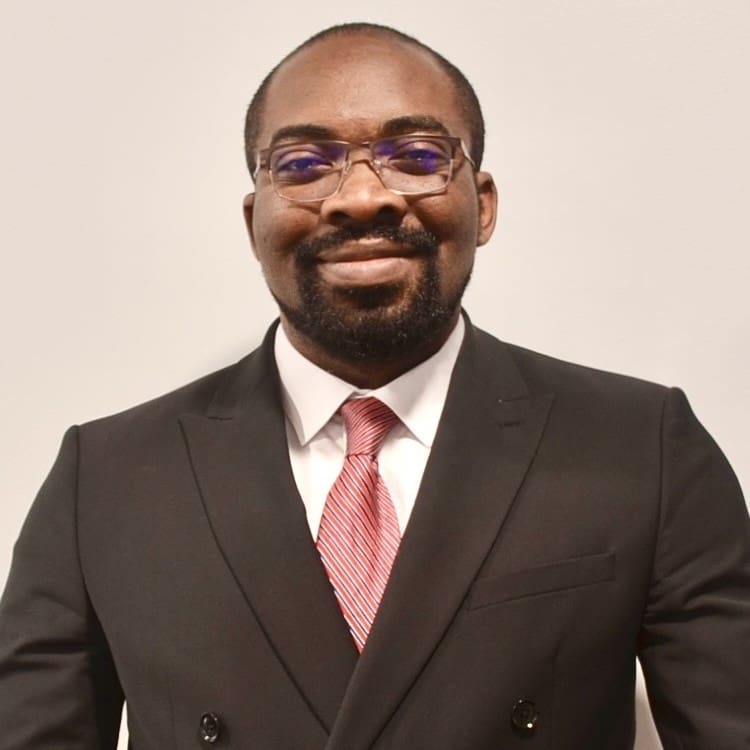
Lazare Shadzeka is a Board Certified Psychiatric Mental Health Nurse Practitioner via the American Nurses Credentialing Center, with privileges in Maryland and Washington DC. He completed his Bachelor of Science in Nursing degree in 2014, in the renowned Marymount University and while pursuing a calling of serving the adult, elderly and vulnerable communities, he decided to further his education, consequently receiving his Master of Science in Nursing Degree with honors from Walden University. Lazare has accumulated over eight enriching years in the provision of holistic care to a wide variety of clients, with psychiatric conditions.
Lazare is an enthusiastic, caring and people-oriented person with an innate skill in managing overall patient care and support with provision of psychiatric evaluations, medication management, client education, treatment planning and regular follow-ups. Client wellness, especially when dealing with the delicacy of addictions, remains a priority that drives his full engagement and committed nature.
By starting a cordial relationship with Lazare, clients will experience a caring, collaborative, and engaging environment with the goal of improving outcomes by progressively working towards their goals and improving on their daily lives.
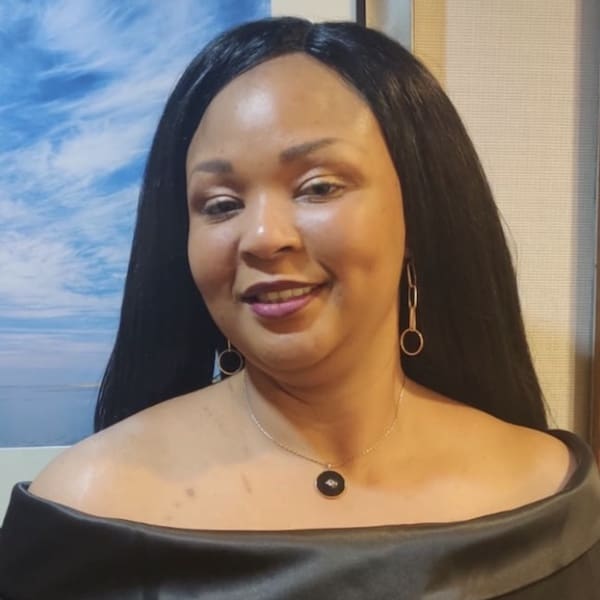
I graduated from Howard university with a Bachelor’s of Science degree in Nursing in 2008 and received the Dean’s award for the Most Outstanding Undergraduate Student and Humanitarian Award. Worked as a Critical Care Nurse in hospital and outpatient settings. Graduated with honors from Walden University in 2018 with Master’s of Science in Nursing: Family Nurse Practitioner. I am very passionate about the care that I provide as I thrive to provide compassionate and outstanding care with every patient at anytime.
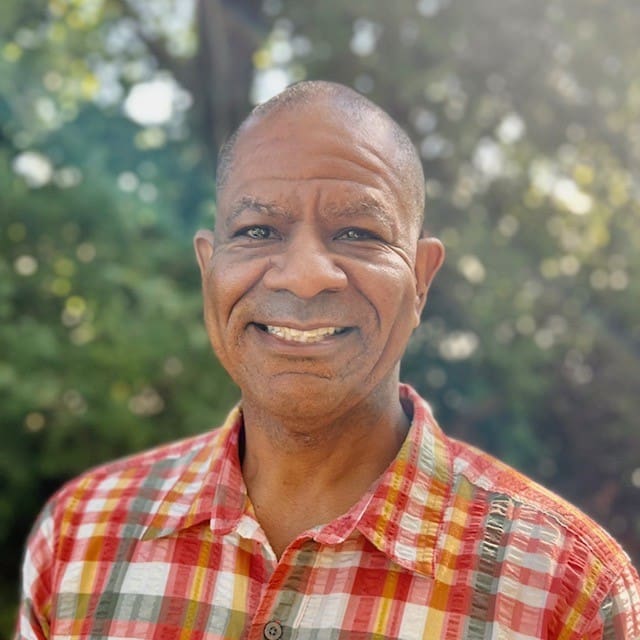
Meet Shannon. Shannon is a certified A.D.T. who has worked in different capacities at several rehabilitation centers in the state of Maryland. Shannon has a bachelor’s degree from the University of Virginia in Political Science. Prior to entering the substance abuse and mental health field, Shannon was a Corporate Executive for 18 years.
After years of battling alcohol and drug addiction, Shannon found purpose in aiding and assisting the still suffering alcoholic and addict. Shannon decided to switch careers and went back to school to obtain his Addiction Counseling degree and certification in Human Services in 2022 from Anne Arundel Community College.
Equipped with empathy, authenticity, and the ability to connect with people from all walks of life, Shannon strives daily to be a beacon of light and to provide “great compassion without compromise.” Shannon’s experience, strength, and hope inspires those in our program and prepares them for the real-world journey of recovery. Steeped in the 12-step philosophy and community, Shannon enthusiastically educates clients, especially newcomers in recovery, on the simple model and its transformative ways to a new life in sobriety.
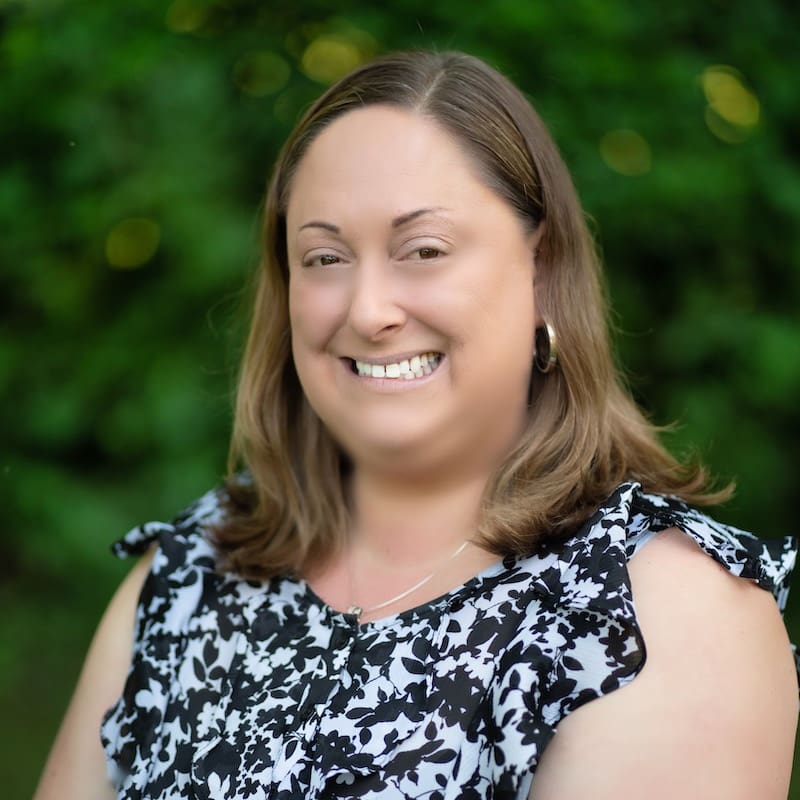
Erin has a master’s degree in management from University of Maryland, University College, and a bachelor’s degree in special education from Townson University. Prior to entering the substance abuse and mental health field, Erin was a Special Education Teacher for 10 years.
Being a person in long term recovery, Erin wanted to give back and help those struggling with the disease of addiction. Erin decided to switch careers and went back to school to obtain her Addiction Counseling certification. In addition, to being a certified Addictions Counselor, Erin is a Certified Peer Recovery Specialist (CPRS), and a Registered Peer Supervisor (RPS).
Over the past 7 years, Erin has worked in many different roles within the substance abuse & mental health field including: outreach specialist, discharge coordinator, peer counselor and addictions counselor. Prior to joining the Freedom Center, Erin worked as an addiction counselor with Montgomery County’s chronically homeless individuals who struggle with substance abuse and mental health. Erin’s favorite thing about helping others is seeing the light come back in a client’s eyes and then watching them succeed on their journey to recovery.
Over the past several months, Erin has worked with our team to create a strong clinical program for our residential location in Buckeystown. In addition, she has enjoyed decorating and preparing a safe, comfortable environment for clients and staff. With her passion and drive to bring success to our residential program, Erin is excited for the opportunity to lead our team in Buckeystown as the Program Director. Erin is grateful to be a part of the dedicated, caring and compassionate Freedom Center Team.
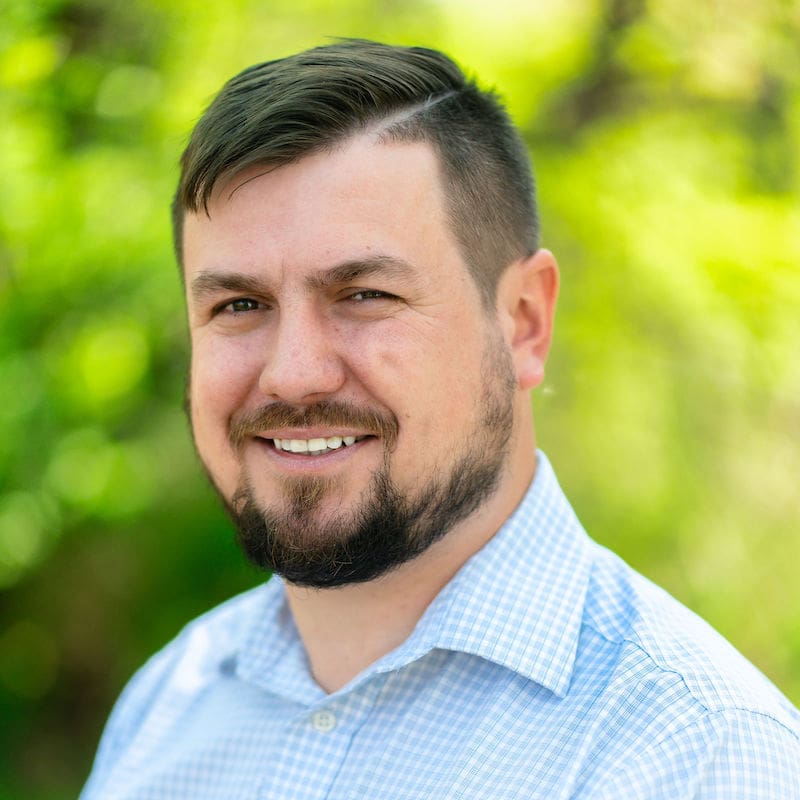
With six years of experience in addiction therapy, a solid academic foundation in Psychology from the University of Mary Washington, and additional credentials from Anne Arundel Community College, David is a compassionate and dedicated therapist. Currently enrolled in a master’s program for Social Work, he is committed to expanding his knowledge and providing comprehensive care. Inspired by his upbringing in Bolivia, marked by poverty, unaddressed mental health, and substance use, he brings a unique perspective to his role as a Primary Therapist at the Freedom Center. He tailors treatment plans to meet individual needs, fostering healing and growth. Outside of work, he finds solace in outdoor activities like hiking and woodworking. With his expertise, experience, and passion for helping others, David is an asset to the Freedom Center, empowering individuals on his recovery journey.
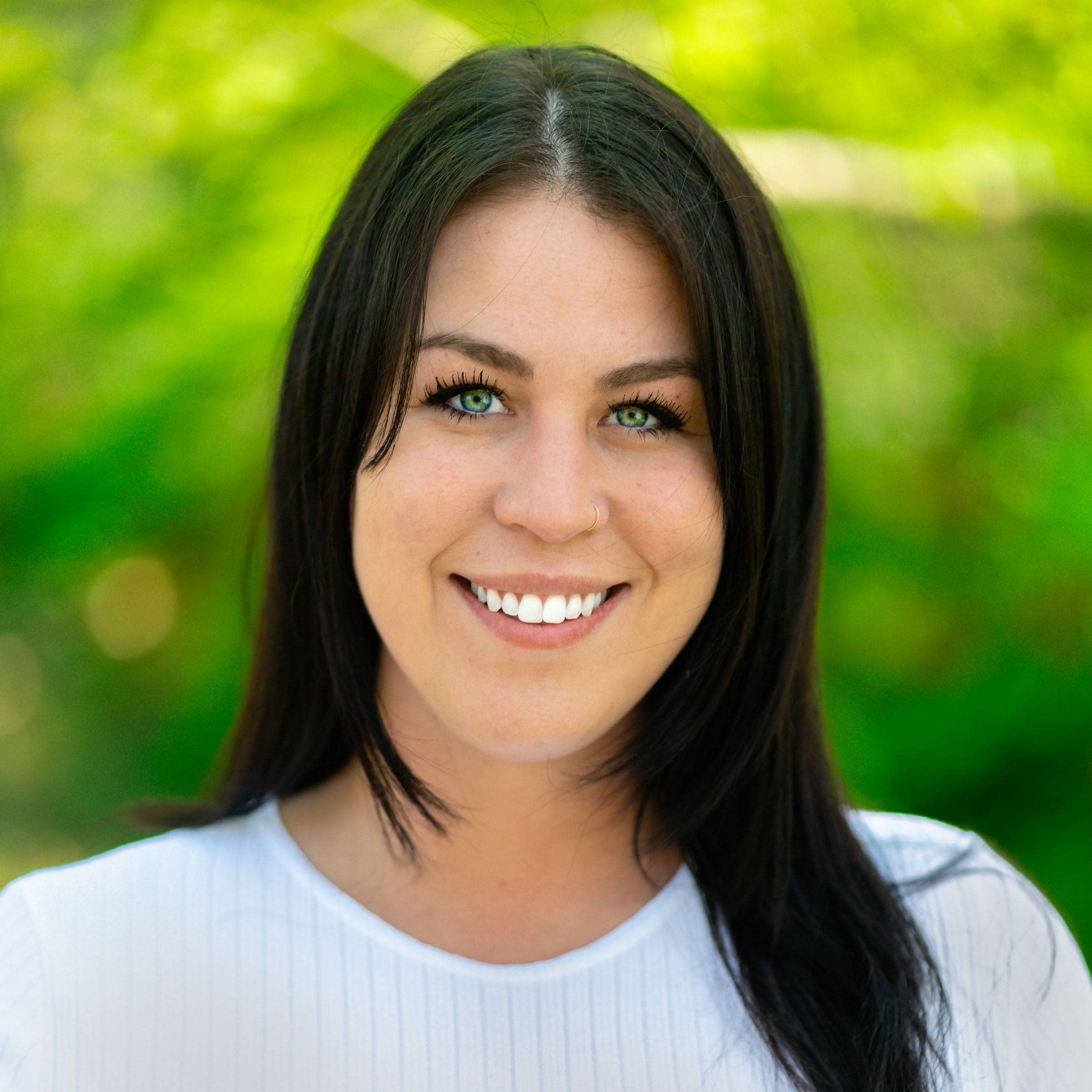
Sydney Tubbs is a driven and compassionate Operations Director at The Freedom Center. With a profound understanding of the complexities surrounding addiction, Sydney has dedicated her career to improving the lives of individuals struggling with substance abuse. Her exceptional leadership skills, coupled with her unwavering commitment to delivering high- quality care, have allowed her to successfully oversee the day-to-day operations of a leading addiction treatment facility. With herself and her staff their main goal is to provide a safe, nurturing environment for our clients. Through her relentless pursuit of excellence, Sydney empowers individuals on their journey towards recovery, offering hope and healing to those in need.
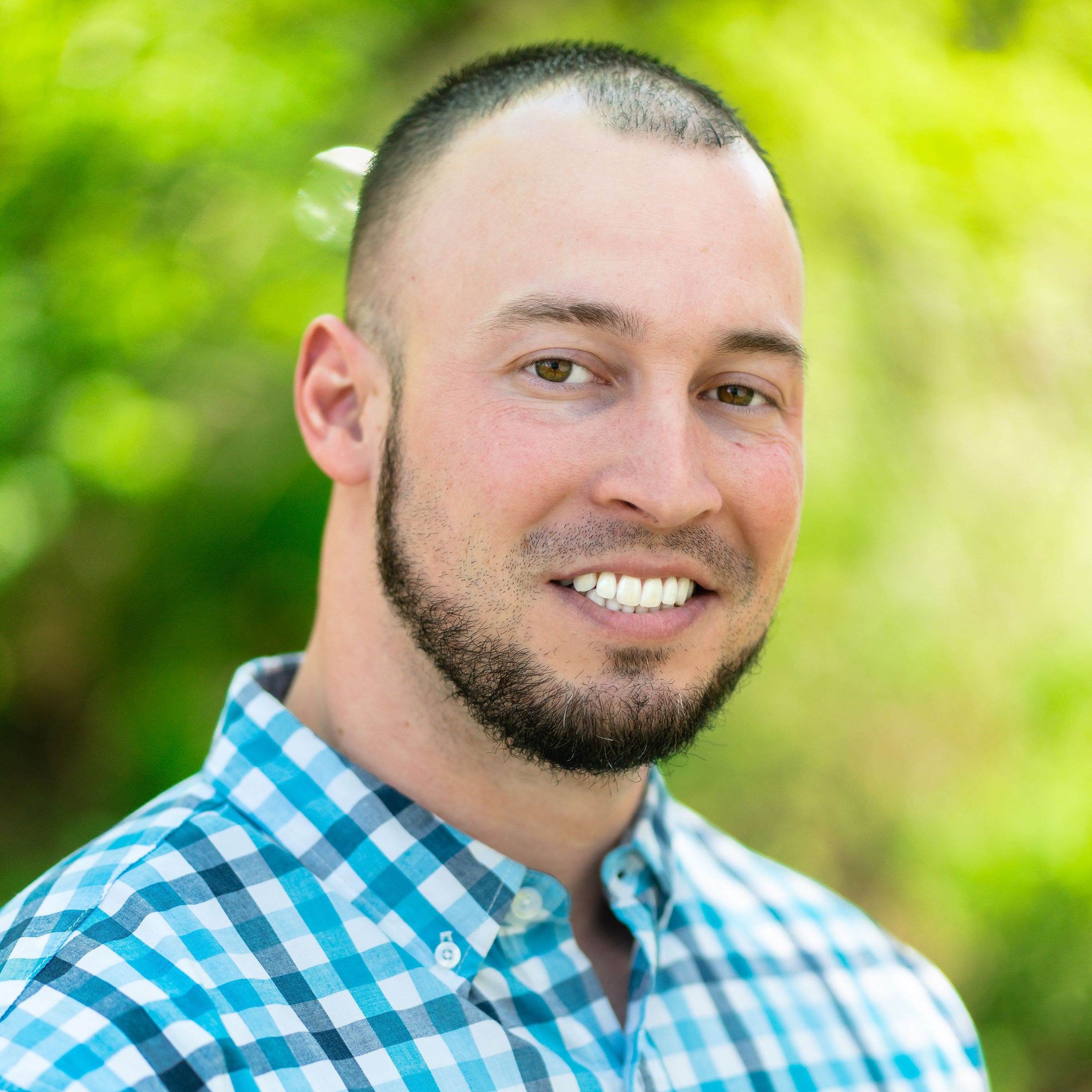
I began working in the treatment field for alcohol and drug addiction in January 2020, and it has provided me with a sense of purpose, as helping others has always been a passion of mine. I worked in construction prior to this field and needed a complete change in career as I was too suffering from substance addiction. I watch clients walk through the door, broken, and still remember when it was I who felt hopeless. After learning the necessary coping skills and engaging in a 12-step fellowship, my life began to change, and only for the better. I now enjoy working with others and helping them get through the hard times of early recovery. I still engage in a daily program of recovery myself and also enjoy fitness and health, nature, sports, horror movies, video games, cooking and spending time with family and friends. I have been on both sides of the fence, active addiction and recovery, and continue to choose recovery every day.
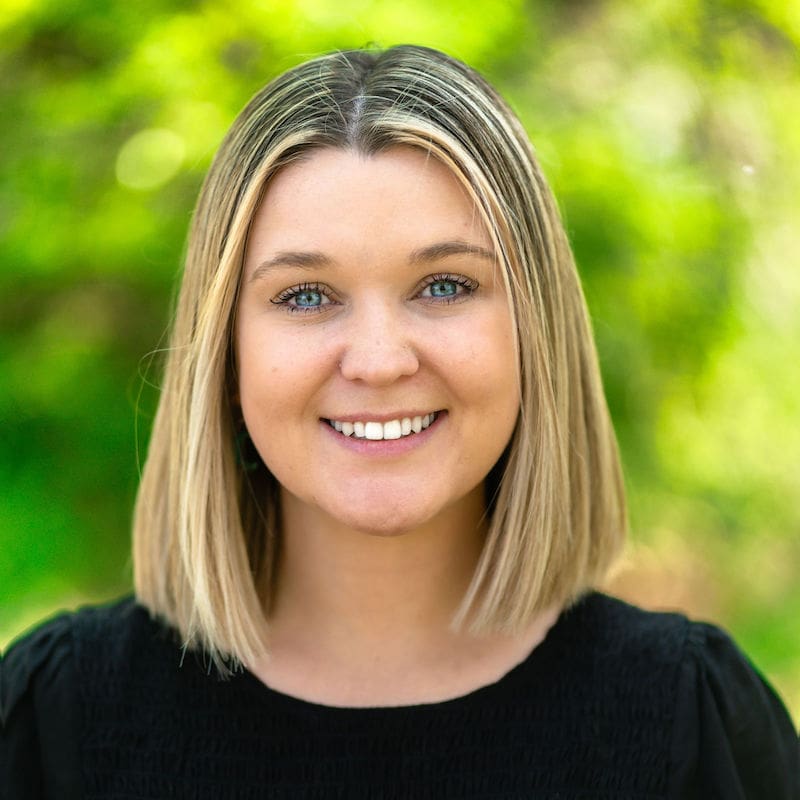
My name is Ashlyn Jacob and I’m a licensed master’s social worker. I have over four years of experience helping individuals, couples, and families navigate life’s challenges, including mental health issues, addiction, trauma, grief, and other issues individuals may experience. I graduated from the University of Maryland, Baltimore County with my Bachelor’s Degree in Social Work and then pursued my Masters in Clinical Social Work at the University of Maryland, Baltimore, School of Social Work. I have experience working in psychiatric hospitals, inpatient, outpatient, detox, and partial hospitalization programs providing clinical social work services. My approach to therapy is grounded in compassion, empathy, and a deep understanding of the unique experiences and perspectives of each of my clients . I utilize a person-centered approach to my clients to help empower change within themselves.
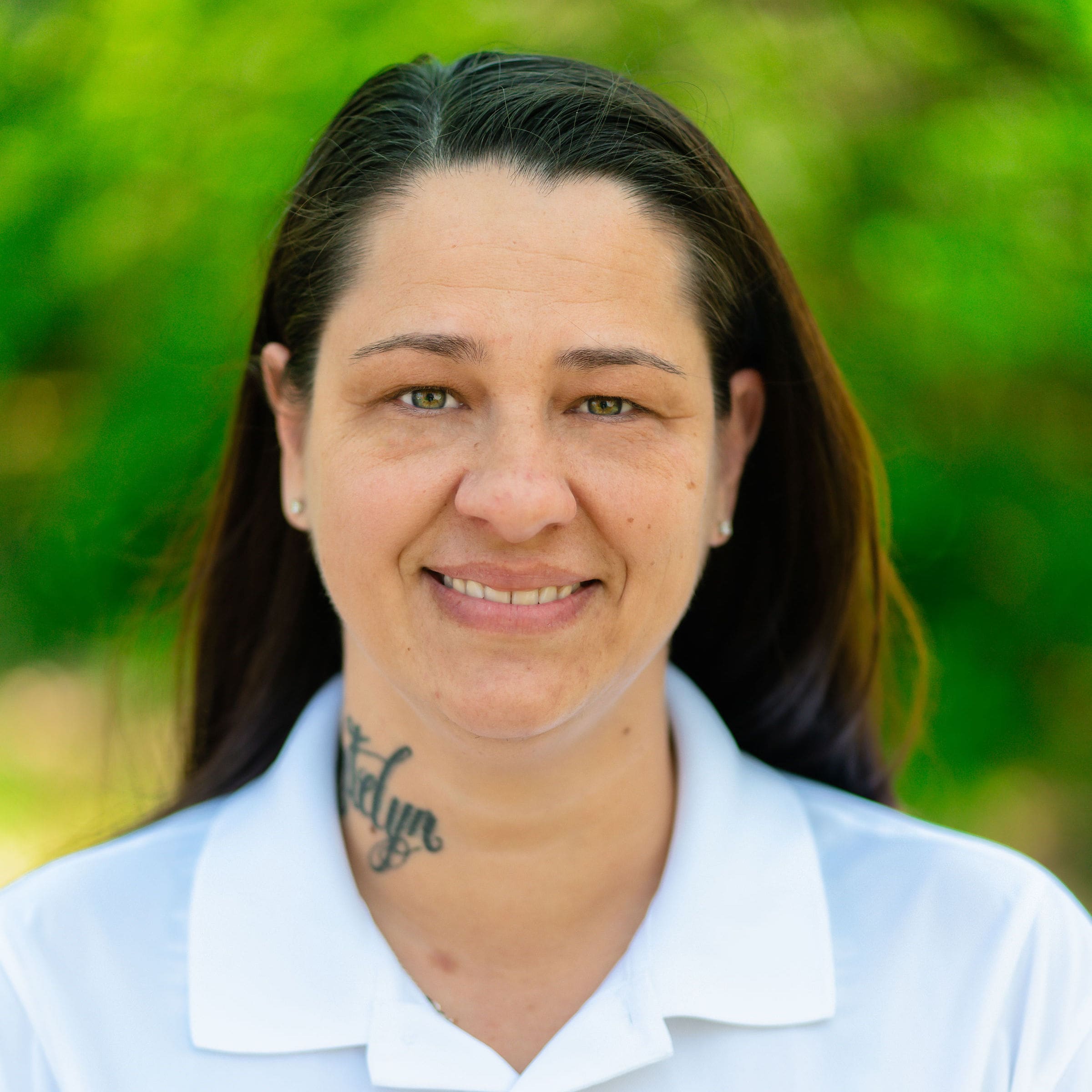
Mary is an experienced Client Care Manager with 20+ years in customer service. She excels at problem-solving and takes pride in delivering tailored solutions. Mary builds strong client relationships, ensuring satisfaction with each interaction. Her attention to detail and communication skills are valuable assets. Mary goes above and beyond to exceed expectations and is dedicated to outstanding service. In her free time, she enjoys music, reading, and family time.
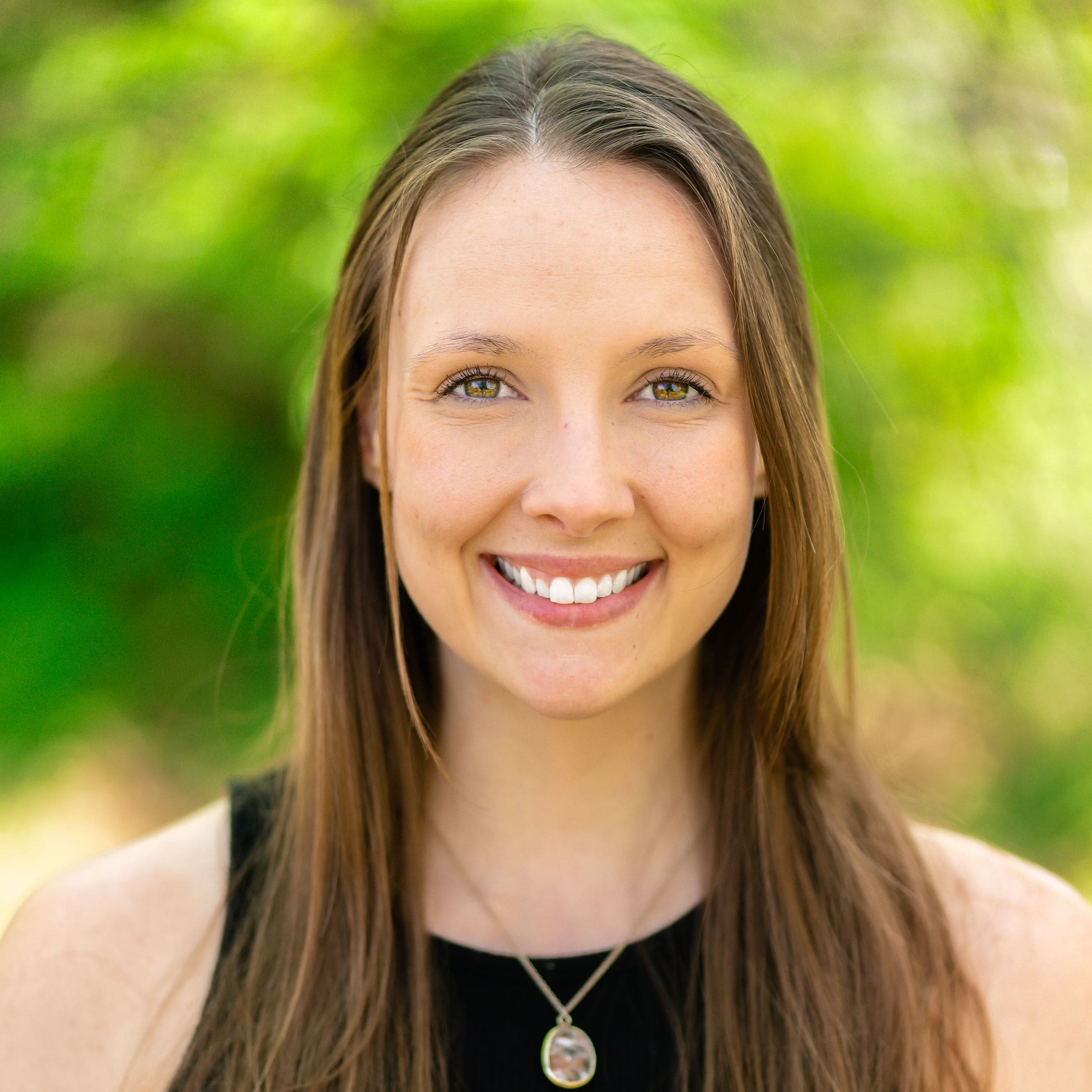
Samantha is a compassionate therapist dedicated to helping individuals navigate their mental health challenges and find healing and recovery. Currently pursuing her advanced degree in psychology, Samantha’s personal journey of overcoming addiction fuels her passion for supporting others on their path to wellness. Samantha’s own journey of recovery serves as a powerful foundation for her therapeutic services. She approaches her work with empathy, understanding, and non-judgment, recognizing that everyone’s path to healing is unique.
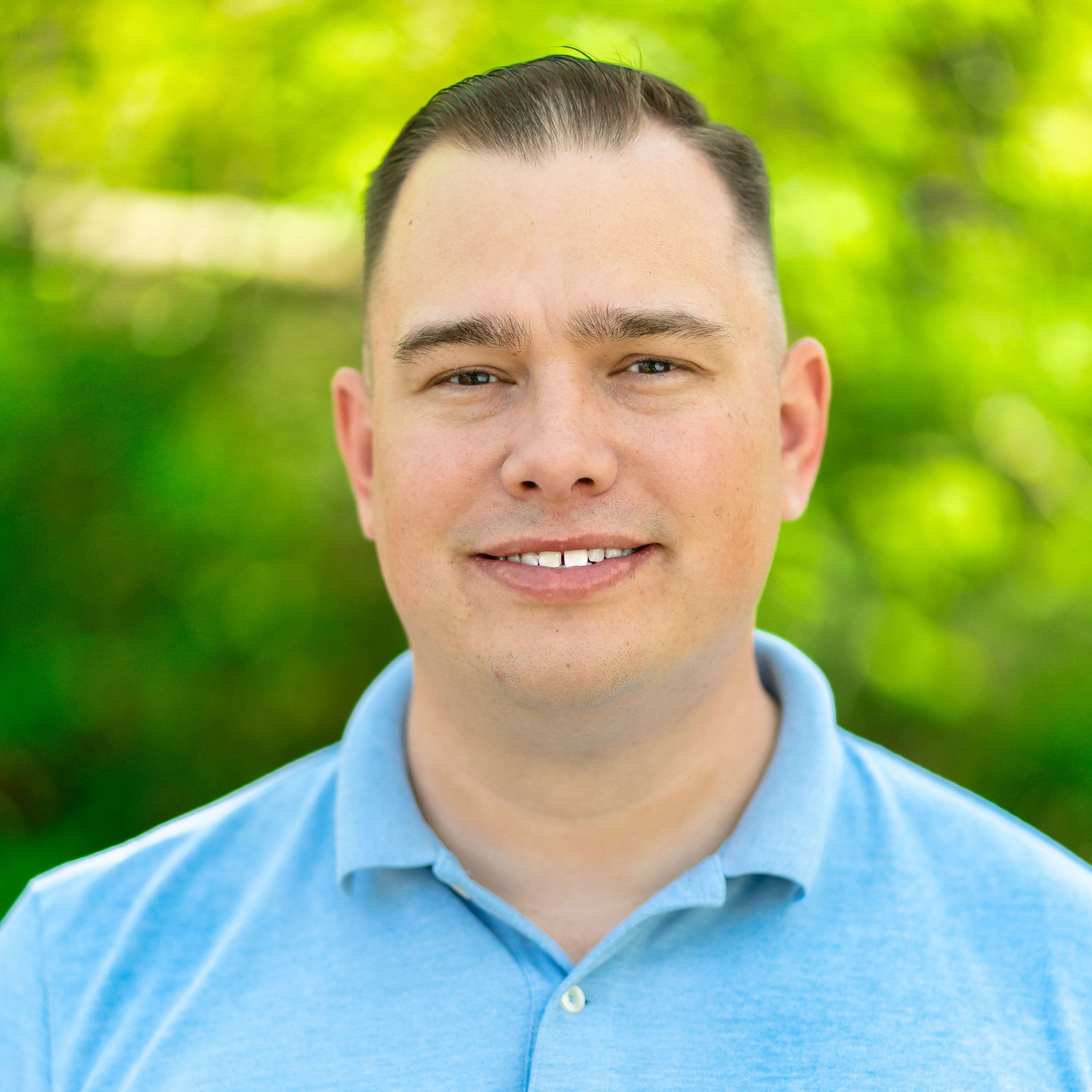
Corey Hassett grew up in Gaithersburg Maryland. After graduating high school, he attended college at the University of Coastal Carolina & Salisbury University. In 2014, Corey moved to Florida where he worked in retail sales. In 2015, Corey was given the opportunity to join Amethyst Recovery Center’s Business Development team. In 2018, Corey had the opportunity to partner with Amethyst and USR to open The Freedom Center in his to hometown of Gaithersburg, MD. Throughout his tenure at The Freedom Center, he has strategically built relationship with referring providers, hospitals and local government leaders. Corey has continued to grow The Freedom Center brand, educate his local community on Substance Use Disorder and become a pillar of the local recovery community. Corey’s mission is to provide quality behavioral health care to local community members who reach out in need, regardless of their financial situation. Outside of The Freedom Center, Corey enjoys playing golf, hiking and most of all being the best father to his three young boys.
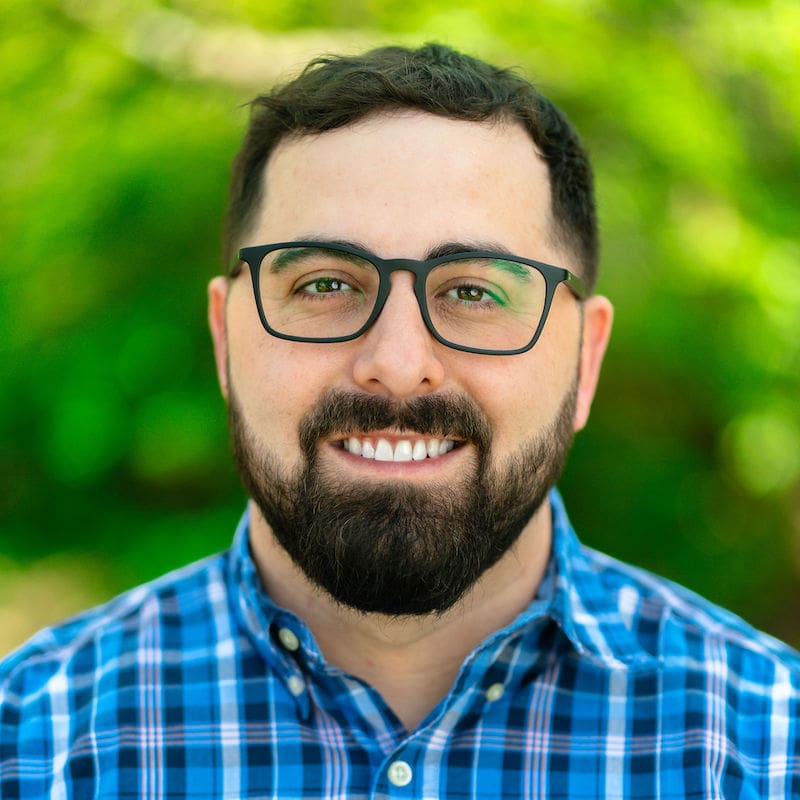
Michael is the Community Outreach Coordinator and Alumni Director. Himself, an alumni of The Freedom Center, Michael brings a personal experience of the program to his role. A resident of Gaithersburg, Michael has planted roots and established a network in the local recovery community. Michael’s goal is to connect current client and alumni with resources to strengthen their life in recovery.
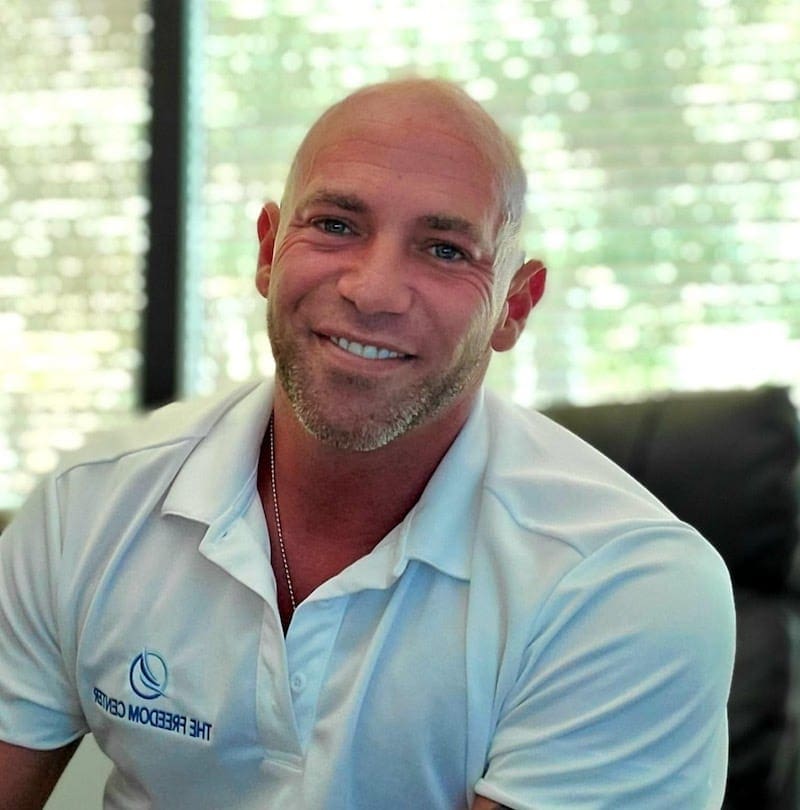
A veteran of two branches of the U.S. military, Max is continuing his education in healthcare administration. Max began his career in the addiction field working as a group facilitator and teacher, developing and delivering a successful faith-based curriculum in a long-term residential treatment setting. Accruing years of hands-on experience working alongside the administrators of facilities across the country in development of their own unique programs gave Max a unique and robust perspective into the administrative requirements of addiction treatment programs. Today, Max is able to channel his passion for battling the disease of addiction into ensuring The Freedom Center maintains strict adherence to the guidelines set forth by The Joint Commission and our partnerships in the insurance industry, and is constantly striving to improve the overall performance of the facility.

Alexandra oversees all operations with The Freedom Center to ensure clients are given the best chance at success. She works with The Freedom Center team to develop and implement policies, procedures and oversees Intakes and Transportation. Alexandra works with Admissions and Clinical Departments for scheduling client admissions, transfers, discharges and outside appointments while maintaining positive relationships with all clients. Her primary focus is to provide all clients with a safe, structured environment while coordinating their care. Alexandra understands addiction from both familial and personal standpoints, as she is active in her own recovery. Through her own hard-won experience and deep desire to help others, Alexandra became a certified Peer Support Recovery Coach, Life Coach and actively practices principals learned through the recovery process in her daily life. Alexandra is a mother, a daughter, a sister, a friend and has learned the value of recovery and succeeding in whatever she sets her mind to. Her innovative approach as Director of Operations gives her clients a safe and compassionate place at The Freedom Center to begin their recovery journey.
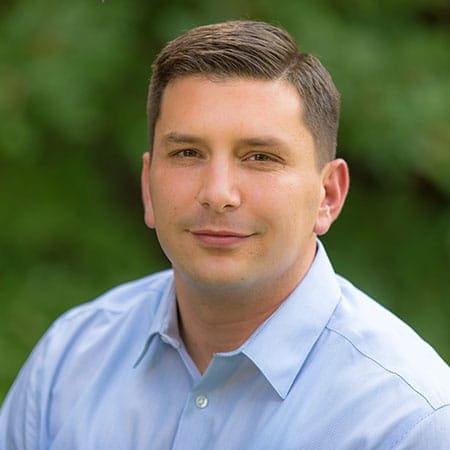
James Scribner holds a bachelor’s degree from the University of Maryland’s Robert H. Smith School of Business. His career began working in the accounting industry as a financial auditor. In that role, James audited a national trade association with over 1,300 member companies that sell health insurance coverage to more than 200 million Americans. He also conducted official financial examinations of various non-profit organizations and for-profit corporations. This experience allowed him to learn the inner workings of almost any aspect of a company. It also taught him the value of building meaningful relationships with clients and having a strong ethical framework.
James began his personal recovery journey in 2010. Throughout that process, he learned the importance of helping others and living by spiritual principles. Throughout his recovery, James has used his personal story to help make a difference in the lives of others. Over the years he grew into becoming an advocate for people in recovery or seeking recovery from substance use disorders. James is a CCAR Recovery Coach and believes in developing meaningful relationships, and providing highly individualized therapy and client care. In 2017, James had the opportunity to combine his business experience and passion for recovery to start The Freedom Center.
Being born and raised in Gaithersburg, Maryland, it was always a dream for James to start a program where he began his own recovery journey. Having faced addiction in his own life, and having worked through recovery, James truly understands what it takes to get sober and stay sober. James now has the opportunity to do what he loves and help others achieve long-term recovery. James works alongside the clinical director and administrative team to help ensure that every client benefits from a customized treatment plan and holistic approach that offers freedom from the grips of addiction.
“Never lose hope. Recovery is possible!”
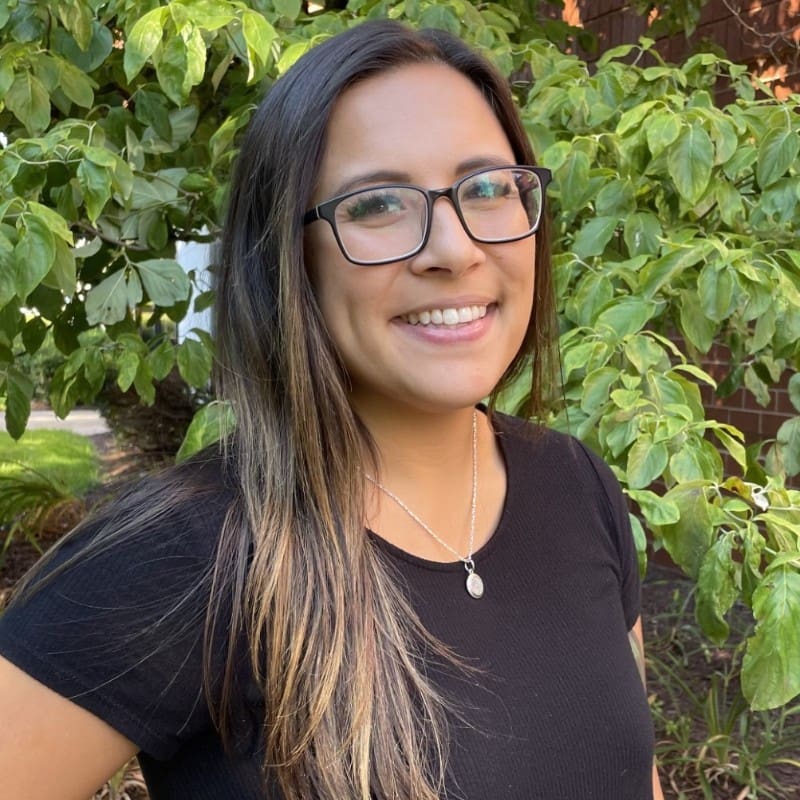
Melissa is a visionary and empathetic leader in the field of peer support and recovery. Nationally Certified as a Peer Recovery Support Specialist by the Maryland Addiction and Behavioral-health Professionals Certification board, Melissa’s journey has been defined by her unwavering commitment to helping others find their path to recovery. Armed with credentials as a Registered Peer Supervisor, Certified Peer Recovery Specialist, and Alcohol and Drug Trainee she has earned her place as a guiding light for individuals seeking hope and solace. Melissa’s illustrious journey includes a Bachelor’s degree from the University of Maryland, College Park, while she currently works diligently towards her Master of Social Work (MSW) degree at Walden University. Melissa’s personal experiences with addiction and mental health struggles instilled within her a profound passion for supporting others on their recovery journey. Her unwavering commitment to peer support, coupled with her own lived experience, fuels her drive to make a meaningful impact in the lives of those facing similar challenges.
As an integral part of The Freedom Center, Melissa’s multifaceted experience shines through her past work in various capacities. She played a pivotal role as a peer support specialist in the overdose response team for Montgomery County, where she collaborated closely with the Department of Health and Human Services, Crisis Center, EMS, MCPD, and Montgomery County hospitals. Her presence on this team highlights her dedication to crisis intervention and her ability to provide critical support during vulnerable times. Prior to her role in crisis intervention, Melissa worked extensively in the substance abuse and dual diagnoses treatment field. Her diverse roles as a case manager, discharge coordinator, behavioral health technician, group facilitator, and clinician have provided her with invaluable insights into the complexities of addiction and mental health recovery. Above all, Melissa’s authenticity shines through her self-disclosure as someone in long-term recovery herself. This profound personal connection fuels her passion for working in the field and enables her to bring a unique blend of empathy and expertise to her role.
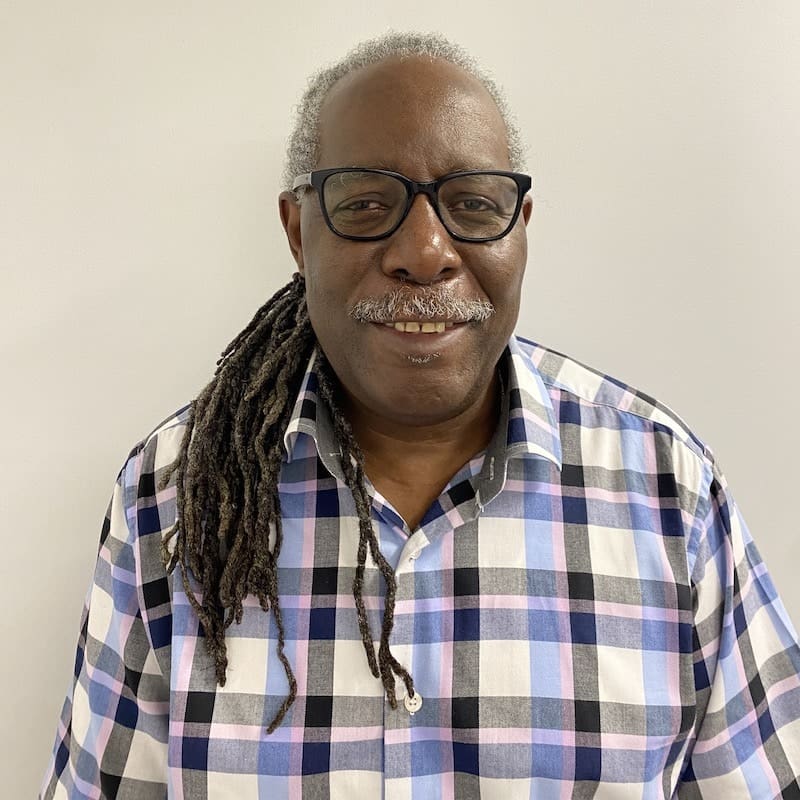
Meet Federico Douglas. Federico is bilingual is Spanish. He earned a Bachelor’s degree at Lincoln University of Pennsylvania while pursuing his CAC-AD. With strong ties to Victory Christian Church and the 12-step community, Federico shares an amazing personal story of redemption and long-term recovery. With over 32 years in the arena of addiction and sobriety, he uses his vast experience to provide a unique approach to mentorship and guiding our clients toward a supportive lifestyle of recovery. Mr. Douglas’ experience, strength, and hope inspires those in our program, and prepares them for the real-world journey of recovery. With a robust foundation in 12-step philosophy, Federico can not only educate the clients on the model, but also integrate the tried-and-true principles in a more personal, clinical setting.
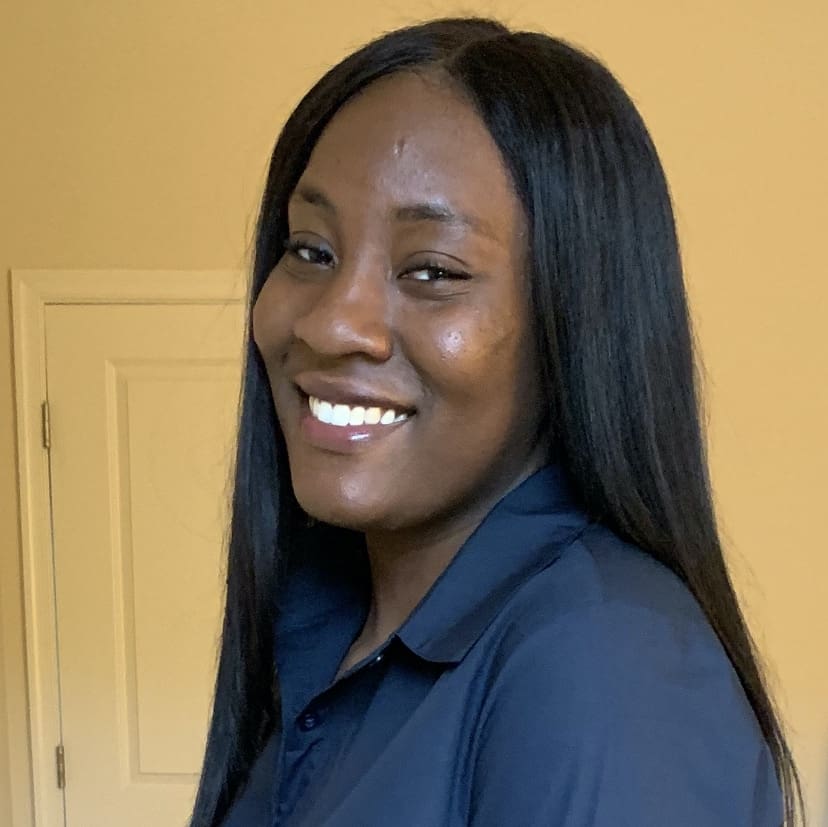
Bunmi is a recent graduate of the University of Maryland, Baltimore County, where she earned her bachelor’s degree in Psychology with a concentration in Human Services. She joined The Freedom Center team to provide counseling for substance use disorders and related mental health issues on an individual basis, facilitate group sessions, provide assessments, and provide support to the clinical staff. Bunmi is dedicated to helping her clients reach their full potential and build their toolkit of resources to support their long-term recovery.
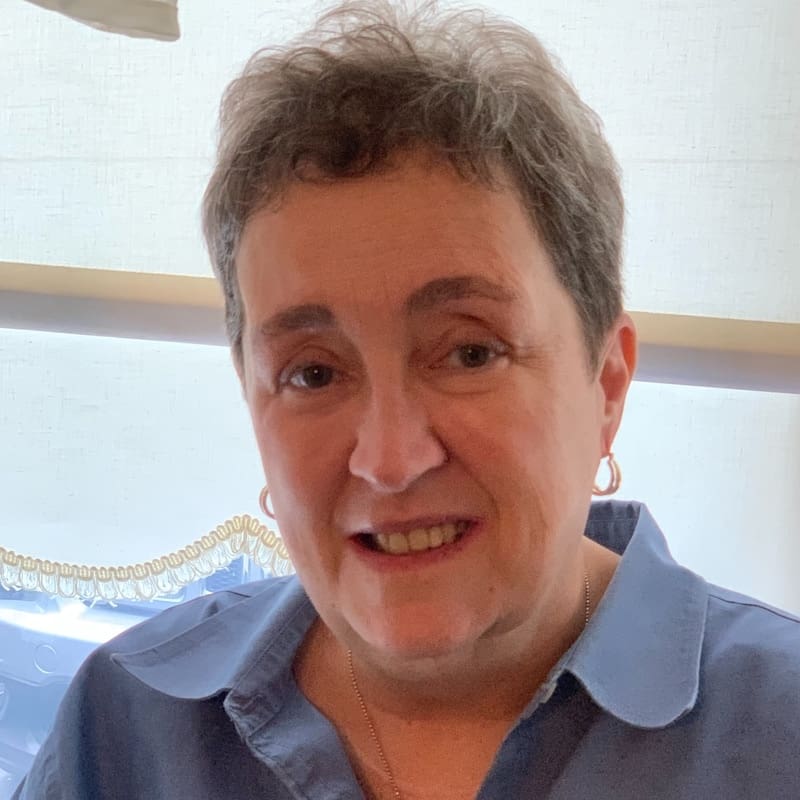
Meet Cheryl Moore. Cheryl is a Clinical Social Worker licensed by the state of Maryland with over 30 years of experience in the field. She graduated from The University of Maryland with a master’s degree in social work. Her experience in a variety of settings, from leadership in a hospital setting to private practice, affords Cheryl a well-rounded skillset ready to render top-notch care and serve the needs of our diverse community. As a licensed clinician, Cheryl stands ready to diagnose and treat a wide spectrum of mental, behavioral, and personality disorders that sometimes present alongside a substance use disorder. Whether she’s leading group therapy or providing an individual therapy session, Cheryl’s expansive knowledge and genuine compassion paired with her deep drive to help people are always on display at The Freedom Center.
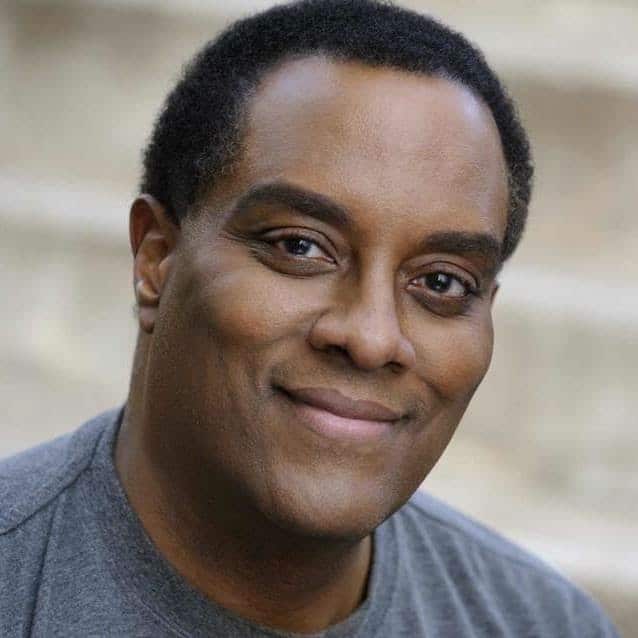
Meet Mr. Kevin Sockwell. In addition to the title of Licensed Clinical Professional Counselor, Kevin is also licensed by the state of Maryland as a Clinical Drug and Alcohol Counselor. He holds a Master of Science degree in Counseling and has over 26 years of experience as a substance use/mental health counselor with the Montgomery County Government. Whether he’s leading groups or providing individual and family therapy, Kevin’s passion for serving those suffering from substance use disorders is always on display. When he’s not busy treating The Freedom Center’s clientele, you might find Kevin engaged in his other passion as an actor/director in the local theater community. Kevin’s expertise and experience as a Primary Therapist, paired with his natural talents and abilities as a speaker and an artist, have uniquely equipped him to reach our population and render top-notch care.
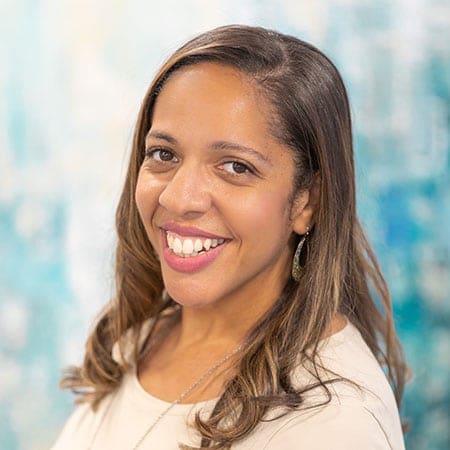
Vanessa is certified in addictions counseling by Maryland’s Board of Professional Counselors and Therapists, with credentials as a clinical supervisor. She comes to The Freedom Center with over 14 years of direct experience in residential and outpatient treatment between the private and federal sectors.
In addition to helping those suffering from addiction, Vanessa has dedicated part of her career to “helping the helper.” In 2015, she began working in a Training and Career Development Center coordinating substance abuse trainings for other clinicians. Her experience in behavioral health training, program development, and organizational leadership lead her to pursue a certification as a Project Management Professional in 2018. Vanessa also holds a Bachelor’s of Arts in Behavioral and Social Sciences from the University of Maryland, College Park and a Master’s of Business Administration-Human Resource Management from Columbia Southern University.
Vanessa is a Montgomery County native who spends her free time traveling with her daughter and volunteering in the community.
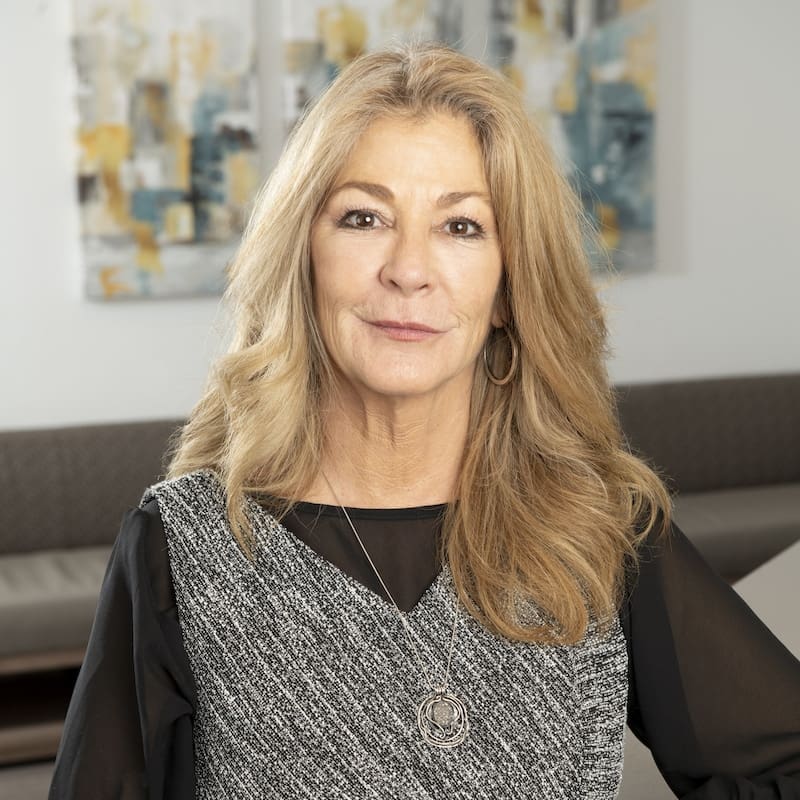
Judy is a Licensed Clinical Professional Counselor in the State of Maryland, and a National Certified Counselor. She earned her Master’s Degree in Clinical Counseling from Johns Hopkins University with an undergraduate degree in Psychology from the University of Maryland. Judy is a Primary Therapist who provides services to clients with dual-diagnosis disorders and is skilled in providing Trauma-Informed Therapy, Cognitive Behavioral Therapy, Motivational Interviewing, and Eating Disorders. She has served in both clinical and leadership positions in a number of roles, in inpatient and outpatient settings, as a Primary Therapist and Clinical Supervisor.
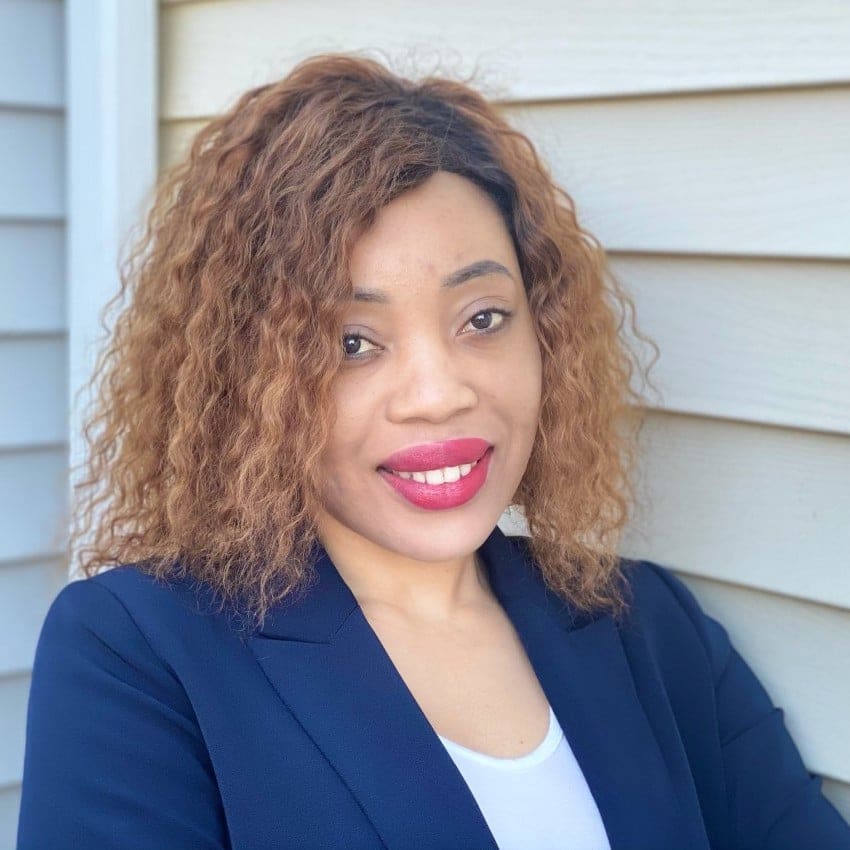
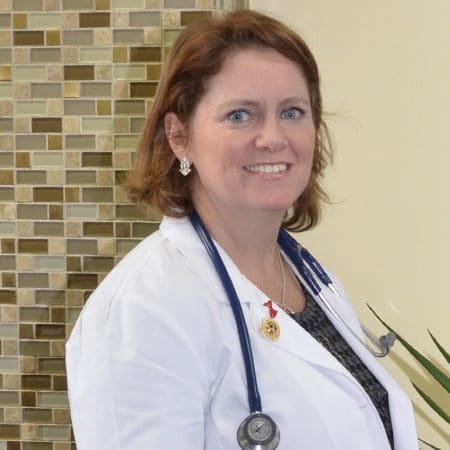
Deirdre graduated in 2012 from Pace University and completed her bachelor’s at Columbia University in New York and has her Master of Science in Family Nurse Practitioner. Deirdre also has a Master’s in Public Health in Epidemiology. Deirdre has extensive experience in mental health and treating substance use disorder related issues. In addition, Deirdre has experience in caring for young adults, women’s health issues and adolescents with HIV/AIDS. She served as a Wellness coordinator at Search for Change, Inc and currently serves as an Independent Practice Coach from 2011 to present. As the Family Nurse Practitioner, Deirdre performs history and physical exams, and works with clients to diagnose and treat dual diagnosis clients.
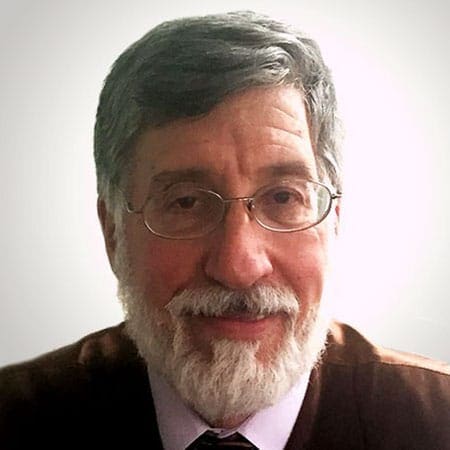
Mark joined the medical team at The Freedom Center in September 2018 as the Medical Director. He received his medical degree in Mexico with further certification from Rutgers Medical School in New Jersey. He then attended New York Medical College for his residency training. Prior to being hired at The Freedom Center, he spent over twenty years working in the field of addictions treatment, and has been involved in nearly every treatment setting, from outpatient to residential to maintenance management.
As the Medical Director, Mark works with the staff to coordinate the appropriate level of care for each individual client. He works directly with the clients on management of medical issues both related to and separate from their addiction, ensuring comprehensive health care plans that ensure our clients’ chances at recovery. What he has found to be most rewarding about working in the addictions treatment field is being able to help suffering addicts and alcoholics to realize their fullest potential.