Benzo Rehab In Maryland: Addiction Signs, Symptoms, and Treatments
Benzos are often prescribed as a solution to a real problem—a temporary reprieve from symptoms of anxiety or panic attacks that can be overwhelming. However, due to the effects, they can lead to dependence and addiction.
Whether benzo addiction started with a prescription for anxiety or a way to take the edge off, benzodiazepine use can quickly spiral into something dangerous. Benzo addiction isn’t always easy to spot at first, but over time, it can take a serious toll on someone’s mind, body, and daily life.
If someone is struggling, getting help from a trusted benzo rehab in Maryland can be a life-saving step.
Benzodiazepines change the brain’s chemistry and create strong physical dependence, making it hard to quit without support. That said, recovery is possible—with the right treatment and guidance, freedom from benzos is achievable.

Jump to Section
Key Points
- Benzodiazepines can quickly lead to physical dependence and addiction.
- Withdrawal from benzos can be dangerous without medical supervision.
- Co-occurring mental health conditions often complicate benzo addiction.
- Professional treatment of benzodiazepine dependence improves long-term outcomes.
- The Freedom Center benzo rehab in Maryland offers evidence-based, dual diagnosis care tailored to each person’s needs.
What Are Benzodiazepines?
Benzodiazepines, often called “benzos,” are prescription medications commonly used to relieve anxiety, help with sleep, reduce muscle tension, or control seizures.[1]
Drugs like Xanax, Klonopin, Valium, and Ativan fall into this category. They work by increasing the effects of GABA, a neurotransmitter that helps calm the nervous system, leading to a sense of relaxation or sedation.[2]
While these medications can be useful and helpful in the short term, they come with a high risk of physical dependence, especially when they’re taken regularly or for extended periods. Because of their potential for misuse, benzodiazepines are classified as Schedule IV substances under federal law.
In recent years, misuse of these drugs has become a growing concern. Data from the National Institute on Drug Abuse shows a sharp rise in benzodiazepine-involved overdose deaths, particularly when mixed with opioids or alcohol, both of which can dangerously slow breathing and increase the risk of fatal outcomes.[3]
Benzo Addiction and Abuse
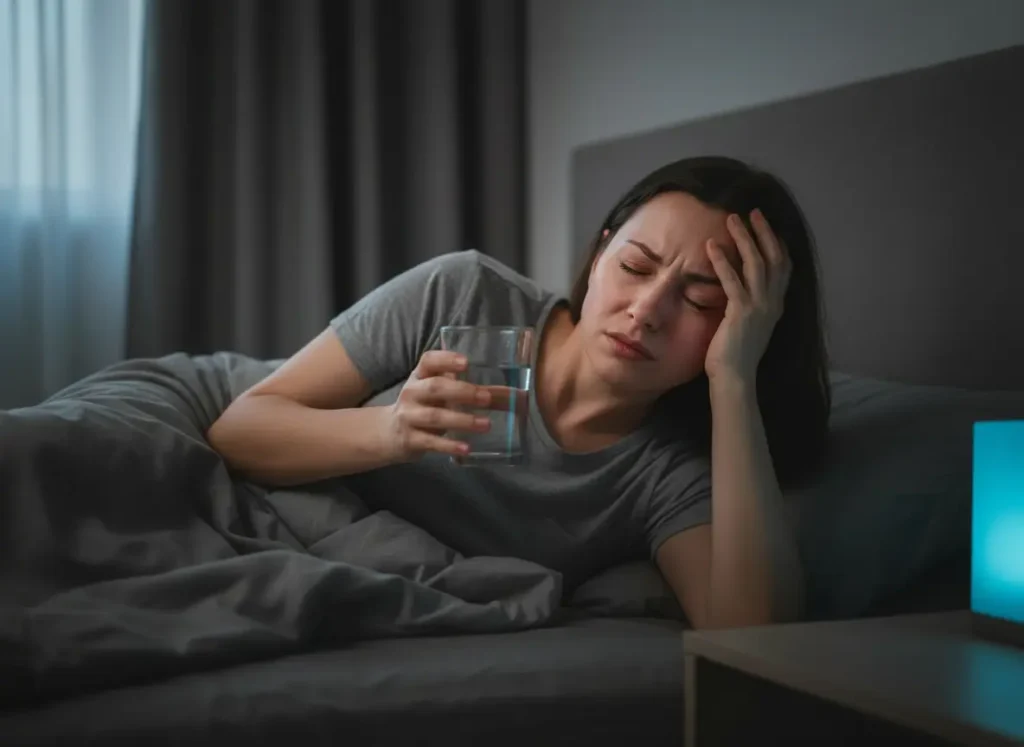
Benzo addiction often develops gradually. What starts as prescribed use can quickly turn into substance abuse and dependence, especially when the medication is taken daily or in higher doses than recommended. [4] Over time, the brain adapts and becomes unable to feel calm or sleep without the drug.
Benzodiazepine rehab becomes essential when people start taking higher doses to feel the same effects, or when they experience withdrawal symptoms like anxiety, tremors, or panic without the drug.
Those with co-occurring mental health disorders, trauma, or a history of substance use are especially vulnerable to developing benzodiazepine dependence.[5]
Because benzos disrupt the brain’s natural chemical balance, professional benzodiazepine treatment is often needed to safely taper off and begin recovery.
Signs and Symptoms of Benzodiazepine Dependence
Benzodiazepine dependence and drug addiction don’t always look obvious at first. Over time, however, the signs can begin to impact every aspect of a person’s life—physically, mentally, and behaviorally. [6]
Physical symptoms may include:
- Fatigue or excessive drowsiness
- Dizziness or lightheadedness
- Slurred speech or slowed movements
- Poor coordination or frequent stumbling
Psychological symptoms often show up between doses and include:
- Increased anxiety or panic attacks
- Depressed mood or emotional numbness
- Mental fog, confusion, or memory issues
Behavioral signs may include:
- Doctor shopping to get more prescriptions
- Taking higher doses than prescribed
- Isolating from friends or family
- Obsessing over when the next dose will be
These symptoms can worsen quickly if someone tries to quit benzos on their own. Withdrawal from benzodiazepines can be extremely uncomfortable and, in some cases, life-threatening. [7] That’s why professional support at a benzodiazepine rehab center is essential. Supervised detox and clinical care help manage these symptoms safely and also reduce the risk of complications like seizures, rebound anxiety, or psychosis.
Amanda Stevens, B.S.
Medical Content Writer
Amanda Stevens is a highly respected figure in the field of medical content writing, with a specific focus on eating disorders and addiction treatment. Amanda earned a Bachelor of Science degree in Social Work from Purdue University, graduating Magna Cum Laude, which serves as a strong educational foundation for her contributions.
If you or a loved one is ready to get help but finances are holding you back, give us a call. We can work with your health insurance provider.





Benzodiazepines and Co-Occurring Disorders
For many people, benzo addiction doesn’t exist in a vacuum. It’s often tied to untreated or poorly managed mental health conditions like anxiety, depression, PTSD, or insomnia. [8] These conditions are sometimes what led to the prescription in the first place.
Benzodiazepines are commonly used to self-medicate symptoms of mental distress. Over time, however, they can exacerbate the underlying issue. The more someone relies on benzos to feel “normal,” the harder it becomes to regulate emotions or function without them.
That’s why dual diagnosis treatment is so important. Treating benzodiazepine dependence without also addressing co-occurring mental health conditions leaves a major gap in care. Without targeted mental health support, the cycle of addiction is likely to repeat.[9]
At The Freedom Center, clients receive comprehensive care throughout their recovery journey, focusing on both the physical and emotional aspects of the issue.
Therapists work closely with psychiatrists and medical providers to build individualized treatment plans that include mental health therapy, medication management, and relapse prevention. This integrated approach gives clients a stronger foundation for long-term benzo addiction recovery.
What to Expect from Benzo Rehab in Maryland
Healing from benzodiazepine dependence takes more than just quitting. It takes structure, support, and a team that understands the journey. At The Freedom Center, there are several levels of care, each one designed to meet someone where they are.
Residential inpatient treatment program
If someone requires more intensive support, the residential inpatient treatment program in Buckeystown provides a peaceful and structured setting to initiate recovery. Patients reside onsite in residential treatment for approximately three weeks and follow a comprehensive daily schedule. Group therapy sessions, one-on-one counseling, individual therapy, peer support, and wellness activities help stabilize the body and mind.
Partial Hospitalization (PHP) & Intensive Outpatient (IOP)
From there, many transition into the Partial Hospitalization Program (PHP) or Intensive Outpatient Program (IOP) in Gaithersburg. These addiction treatment programs offer consistent care during the day with the flexibility to return home or stay in supportive housing at night.
Outpatient Program
For those further along in recovery, the standard outpatient program and treatment options provide ongoing therapy and guidance a few times a week.
Cognitive-Behavioral Therapy (CBT)
Throughout treatment, clients receive therapy tailored to their needs. That includes CBT, DBT, trauma work, and psychiatric care when needed. [10] The team works very closely with each person to develop a personalized plan that supports their mental health, physical well-being, and long-term goals as they tackle a substance use disorder.
Whether someone is just starting or they’re ready for the next step, at The Freedom Center, they’ll find a team that genuinely cares and a program built to help them succeed.
Why Professional Benzodiazepine Treatment Matters
Quitting benzos on one’s own can be potentially dangerous. If a person stops suddenly, their body may react with seizures, panic, or confusion. [11] These symptoms can happen rapidly and may become severe without prompt medical attention. That’s why getting healthcare support matters. The Freedom Center can help someone connect with trusted detox partners if needed. Once they are medically stable, the inpatient or outpatient drug rehab programs provide a safe and guided path forward to lasting recovery.
The Freedom Center’s team provides more than therapy. They provide essential tools to help individuals stay grounded and focused during recovery. That includes relapse prevention, life skills, and emotional support from peers who get what they’re going through. They also involve families and loved ones in the process. Healing relationships can be a powerful part of recovery.
Individuals won’t be rushed through the process. The team takes the time to understand their needs, adjust their plan, and keep them connected even after treatment ends. Through alumni check-ins and outpatient services, they stay involved—because recovery doesn’t end when the program does.
At The Freedom Center, a person isn’t just another name on a chart. They’re part of a community that believes in second chances. The path to freedom starts here—and no one will have to walk it alone.

Editorial Guidelines at The Freedom Center
All content produced by The Freedom Center undergoes a detailed evaluation process to ensure accuracy and quality. We only work with medical professionals and individuals with extensive experience in the field, and all content produced undergoes a review process to ensure accuracy. Our goal is to be a reliable resource the recovery community can turn to for information they can trust.
Amanda Stevens, B.S.
Medical Content Writer
Amanda Stevens is a highly respected figure in the field of medical content writing, with a specific focus on eating disorders and addiction treatment. Amanda earned a Bachelor of Science degree in Social Work from Purdue University, graduating Magna Cum Laude, which serves as a strong educational foundation for her contributions.
If you or a loved one is ready to get help but finances are holding you back, give us a call. We can work with your health insurance provider.
Frequently Asked Questions About Benzo Rehab In Maryland
Powder cocaine is a hydrochloride salt that’s usually snorted or dissolved and injected.
Crack cocaine is a crystalized form that’s smoked. Crack produces a faster, more intense high, but also wears off quickly, leading to more frequent use. [11]
Both forms are highly addictive, but crack is often associated with a quicker path to dependence due to how rapidly it enters the bloodstream and affects the brain.
Finishing rehab doesn’t mean the journey ends.
At The Freedom Center, the team will help each person develop a personalized recovery plan that lasts. That might include alumni support, sober living connections, and continued therapy.
The goal is that everyone leaves with a roadmap—and a support system—to stay sober and thrive in real life after their time at The Freedom Center.
Dependence means the body has become used to benzodiazepines, and the person will experience withdrawal if they stop. Addiction includes dependence but also involves compulsive use—taking more than prescribed, craving the drug, or continuing use despite harm. [12] Both require professional treatment of benzodiazepine dependence.
Detoxing from benzos at home can be potentially dangerous. Symptoms like seizures, panic attacks, and hallucinations may occur during withdrawal. [13] A medically supervised treatment program at a licensed benzo rehab in Maryland ensures safety, comfort, and a much lower risk of complications.
Treatment length varies based on severity and individual needs. Medical detox may take 1–2 weeks, while complete rehab programs can last 30–90 days or longer. Ongoing support and outpatient care are often recommended for long-term benzo addiction recovery.
Benzodiazepine treatment typically includes Cognitive Behavioral Therapy (CBT), Dialectical Behavior Therapy (DBT), trauma-focused therapy, and relapse prevention.[14] Many benzodiazepine rehab centers also offer psychiatric care for co-occurring mental health disorders.
Yes. The Freedom Center specializes in dual diagnosis care, which means they treat both benzo addiction and underlying mental health conditions like anxiety, PTSD, or depression. Addressing both is key to long-term healing.
The Freedom Center accepts most major insurance plans for treatment options, including Aetna, Cigna, Blue Cross Blue Shield, and UnitedHealthcare. The admissions team verifies health insurance benefits, explains coverage, and walks through any out-of-pocket costs.
If a patient is not using insurance, private pay options are also available. The Freedom Center offers daily and monthly rates for inpatient care in Buckeystown, as well as flexible pricing for outpatient treatment in Gaithersburg. Whether the patients have insurance coverage or not, the team will help them find a payment plan that works, so money isn’t a barrier to getting substance abuse treatment at the recovery center.
Sources
[1][2][4] Bounds, C. G., & Patel, P. (2024, January 30). Benzodiazepines. StatPearls – NCBI Bookshelf. https://www.ncbi.nlm.nih.gov/books/NBK470159/
[3] Drug overdose deaths: facts and figures. (2025, May 28). National Institute on Drug Abuse. https://nida.nih.gov/research-topics/trends-statistics/overdose-death-rates
[5][8][9] Co-Occurring disorders and other health conditions. (n.d.-b). SAMHSA. https://www.samhsa.gov/substance-use/treatment/co-occurring-disorders
[6][7] Brett, J., & Murnion, B. (2015). Management of benzodiazepine misuse and dependence. Australian Prescriber, 38(5), 152–155. https://pmc.ncbi.nlm.nih.gov/articles/PMC4657308/
[10][14] Huett, K. (2023, April 4). Treatment Methods & Evidence-Based Practices. National Association of Addiction Treatment Providers. https://www.naatp.org/addiction-treatment-resources/treatment-methods
[11][13] Maust, D. T., Petzold, K., Strominger, J., Kim, H. M., & Bohnert, A. S. B. (2023). Benzodiazepine discontinuation and mortality among patients receiving Long-Term Benzodiazepine therapy. JAMA Network Open, 6(12), e2348557. https://jamanetwork.com/journals/jamanetworkopen/fullarticle/2813161
[12]Szalavitz, M., Rigg, K. K., & Wakeman, S. E. (2021). Drug dependence is not addiction—and it matters. Annals of Medicine, 53(1), 1989–1992. https://www.tandfonline.com/doi/full/10.1080/07853890.2021.1995623