


Home / Programs / Dual Diagnosis

Dual Diagnosis Treatment Centers in Maryland | The Freedom Center

Living with both a mental health condition and a substance use disorder (addiction) can feel overwhelming and isolating. The simultaneous presence of these conditions is referred to as dual diagnosis or co-occurring disorders. This combination of conditions affects an estimated 25.8% of people with a psychiatric disorder and 36.5% of people with a substance use disorder.[1]

Co-occurring conditions can create a vicious cycle where each disorder has symptoms that influence and exacerbates the other, making it difficult to find true recovery. At The Freedom Center, our dual diagnosis treatment center in Maryland provides a compassionate and evidence-based approach to help our clients navigate the challenges of co-occurring disorders and find a path to recovery.

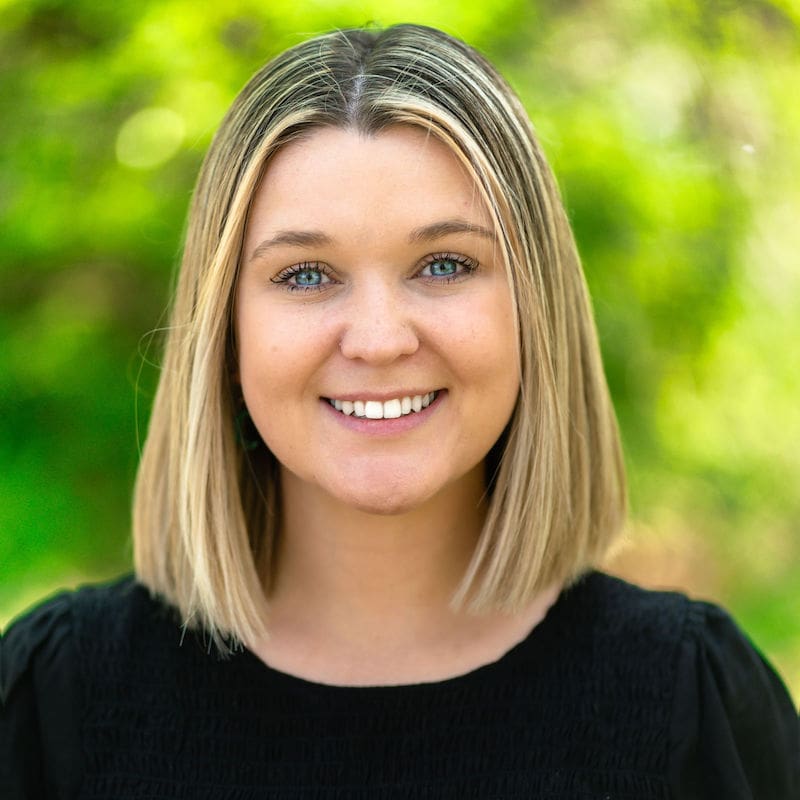
Amanda Stevens, B.S.

Written By

Amanda Stevens, B.S.

On May 10, 2021

Jump to Section

Key Points

What Is Dual Diagnosis?

Mental health disorders like depression or anxiety often co-occur alongside drug or alcohol addiction, leading each condition to influence and impact the other. When the presence of a mental health disorder and substance use disorder occurs together, treatment professionals use the term “dual diagnosis.” Dual diagnosis is also called a co-occurring disorder. 

Dual diagnosis treatment is a specialized treatment approach that addresses the interplay between substance use disorders and mental health disorders. In the past, these conditions were treated individually. However, treatment now combines care so that individuals can receive help for both disorders rather than completing rehab before undergoing mental health treatment without addressing underlying issues and contributing factors. 

Comprehensive dual diagnosis treatment allows patients to undergo simultaneous treatment for the substance use disorder and mental health condition. The influence of both conditions is explored and addressed by a team of specialists. Treatment plans are then tailored to address the social, emotional, and psychological factors affecting each condition.

Man in therapy session with counselor, expressing emotions and seeking support.

Addiction and Mental Illness

Mental health disorders and substance abuse are interconnected. Each condition can influence the other. For example, someone with anxiety may self-medicate with alcohol or party drugs to lower inhibitions and feel more comfortable in social situations. Similarly, someone abusing drugs or alcohol may experience worsening anxiety or depression, leading them to rely on substances for relief.

A comprehensive dual diagnosis treatment program recognizes this cycle and understands that treating one condition in isolation won’t resolve the symptoms that contribute to it. Personalized treatment provides a high level of support and structure through multiple levels of care, helping clients move toward recovery.

Symptoms of Dual Diagnosis Disorders

The signs and symptoms of dual diagnosis disorders depend on the specific mental illness and substance use disorder involved. Some signs and symptoms of substance use disorder may include:[2]

  • Withdrawal from friends and family.
  • Difficulty maintaining focus.
  • Mood or behavioral changes.
  • Increased risk-taking behaviors.
  • Developing a tolerance for the substance or experiencing withdrawal when stopping.
  • Feeling the need for the substance to function.
  • Extreme mood changes.
  • Problems concentrating.
  • Confusion.
  • Inability to function at work or school.
  • Avoiding social activities or hobbies.
  • Suicidal thoughts or actions.

Causes of Dual Diagnosis

There are no clear causes that can be attributed to a co-occurring disorder. However, several factors may contribute to the development of a substance use disorder or mental health condition. Common contributing factors for dual diagnosis include:[4]

  • Genetics: Mental health disorders and substance use disorders can both run in families.
  • Environmental factors: Environmental factors like stress and trauma can contribute to the development of dual diagnosis.
  • Existing mental health disorders: It’s common for people with existing mental health disorders to self-medicate their symptoms. While this may temporarily help symptoms, it can worsen these conditions over time. Dependence and addiction can develop with regular substance use.
  • Existing substance use disorders: Alcohol and drug use can affect the brain’s structure and function, making it more likely to develop a mental health disorder.

Common Dual Diagnosis Disorders

While many mental health disorders can co-occur with addiction, these are some common examples of how substance use and mental illness can co-occur:[5]

  • Anxiety disorders and prescription drugs: People who struggle with anxiety disorders, like generalized anxiety disorders or social anxiety disorder, may misuse their prescription anti-anxiety medications or rely on other substances to manage their symptoms.
  • Depression and alcohol or other drugs: People may use substances to manage the symptoms of depression to “feel better,” leading to a cycle of emotional highs and lows and continued substance abuse.
  • Trauma disorders and substance use: Trauma disorders like PTSD commonly co-occur with substance abuse as people try to self-medicate their distressing memories or numb triggers, leading to addiction and unhealthy coping mechanisms.
  • Schizophrenia and substance use: People with schizophrenia may use substances in an attempt to self-medicate or cope with distressing psychiatric symptoms or social discomforts, but substance use can ultimately worsen psychiatric symptoms and complicate treatment..
  • Attention disorders and prescription drug abuse: People with ADHD may misuse prescription ADHD medications or turn to stimulants to manage the impulsivity or inattentiveness symptoms of the disorder.

Dual Diagnosis Treatment at The Freedom Center

The Freedom Center's cozy pergola and fire pit at dusk.

The Freedom Center takes a comprehensive approach to dual diagnosis treatment, offering multiple levels of care and individualized therapy to ensure each client’s need for support and structure is met. Depending on the mental health disorder and substance use disorder involved, dual diagnosis treatment at The Freedom Center may include medical detox to manage withdrawal, followed by residential treatment or a partial hospitalization program (PHP) level of care. For clients who need to balance recovery with everyday life and don’t require a high degree of support and supervision, we also offer an intensive outpatient program (IOP) or outpatient programs that may be ideal.

Each level of care provides appropriate therapies to address the unique challenges and factors in co-occurring disorders, such as :

  • Individual therapy: This therapeutic approach provides personalized, one-on-one counseling to address underlying trauma, challenges, and behaviors.
  • Group therapy: This therapy brings clients together in a supportive environment to share experiences, develop social skills, and find strength from one another.
  • Family therapy: This therapy addresses the whole family to resolve past conflicts, learn healthy support strategies, and prepare for long-term recovery after treatment.
  • Cognitive behavioral therapy (CBT): This type of therapy teaches clients to identify unhelpful thought patterns and learn healthier ways to manage their behaviors.
  • Dialectical behavior therapy (DBT): This type of therapy helps clients develop emotional regulation and break negative behavioral patterns.

Amanda Stevens, B.S.

Amanda Stevens, B.S.

Medical Content Writer

Amanda Stevens is a highly respected figure in the field of medical content writing, with a specific focus on eating disorders and addiction treatment. Amanda earned a Bachelor of Science degree in Social Work from Purdue University, graduating Magna Cum Laude, which serves as a strong educational foundation for her contributions.
We Accept With Most Major Insurance

If you or a loved one is ready to get help but finances are holding you back, give us a call. We can work with your health insurance provider.

amanda-steven

Amanda Stevens, BS

Medical Content Writer

Amanda Stevens is a highly respected figure in the field of medical content writing, with a specific focus on eating disorders and addiction treatment. Amanda earned a Bachelor of Science degree in Social Work from Purdue University, graduating Magna Cum Laude, which serves as a strong educational foundation for her contributions.
We Accept With Most Major Insurance

If you or a loved one is ready to get help but finances are holding you back, give us a call. We can work with your health insurance provider.

Blue and white abstract swoosh logo inside a circle.

Editorial Guidelines at The Freedom Center

All content produced by The Freedom Center undergoes a detailed evaluation process to ensure accuracy and quality. We only work with medical professionals and individuals with extensive experience in the field, and all content produced undergoes a review process to ensure accuracy. Our goal is to be a reliable resource the recovery community can turn to for information they can trust.

Frequently Asked Questions About Dual Diagnosis Treatment Centers in Maryland

Powder cocaine is a hydrochloride salt that’s usually snorted or dissolved and injected. 

Crack cocaine is a crystalized form that’s smoked. Crack produces a faster, more intense high, but also wears off quickly, leading to more frequent use. [11]

Both forms are highly addictive, but crack is often associated with a quicker path to dependence due to how rapidly it enters the bloodstream and affects the brain.

Finishing rehab doesn’t mean the journey ends. 

At The Freedom Center, the team will help each person develop a personalized recovery plan that lasts. That might include alumni support, sober living connections, and continued therapy. 

The goal is that everyone leaves with a roadmap—and a support system—to stay sober and thrive in real life after their time at The Freedom Center.

Some of the most common examples of dual diagnosis include alcohol use disorder and depression, anxiety and prescription drug addiction, and PTSD and opioid addiction. However, other combinations of substance use disorders and mental health disorders can co-occur.

Skip to content